

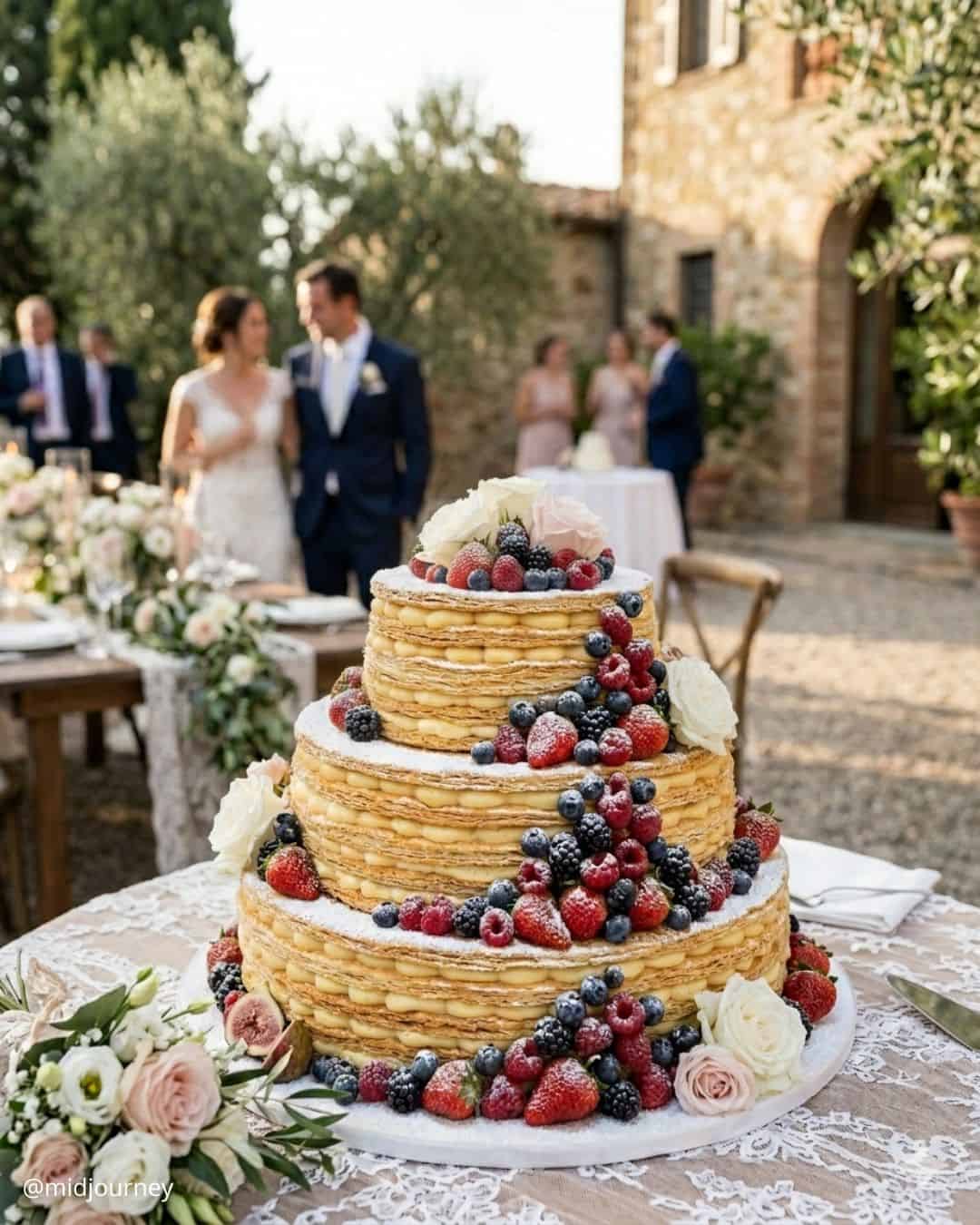
Italy’s connection to wedding cakes goes all the way back to Ancient Rome, when breaking bread over a bride’s head was thought to bring good fortune. In Medieval England, couples kissed over towering tiers of cake.
The path of Italian wedding cakes through history is soaked in tradition and understated elegance.
By the 17th century, hopeful couples were tucking cakes under their pillows, dreaming of prosperity. The real shift came in 1882, when Prince Leopold introduced the first fully edible wedding cake.
Creativity keeps pushing forward, and today these meaningful confections have become the darling of nearly every bride searching for a cake with soul. If Italian confectionery has captured your imagination, let these stunning cake concepts sweep you away.
Millefoglie Italian Wedding Cakes
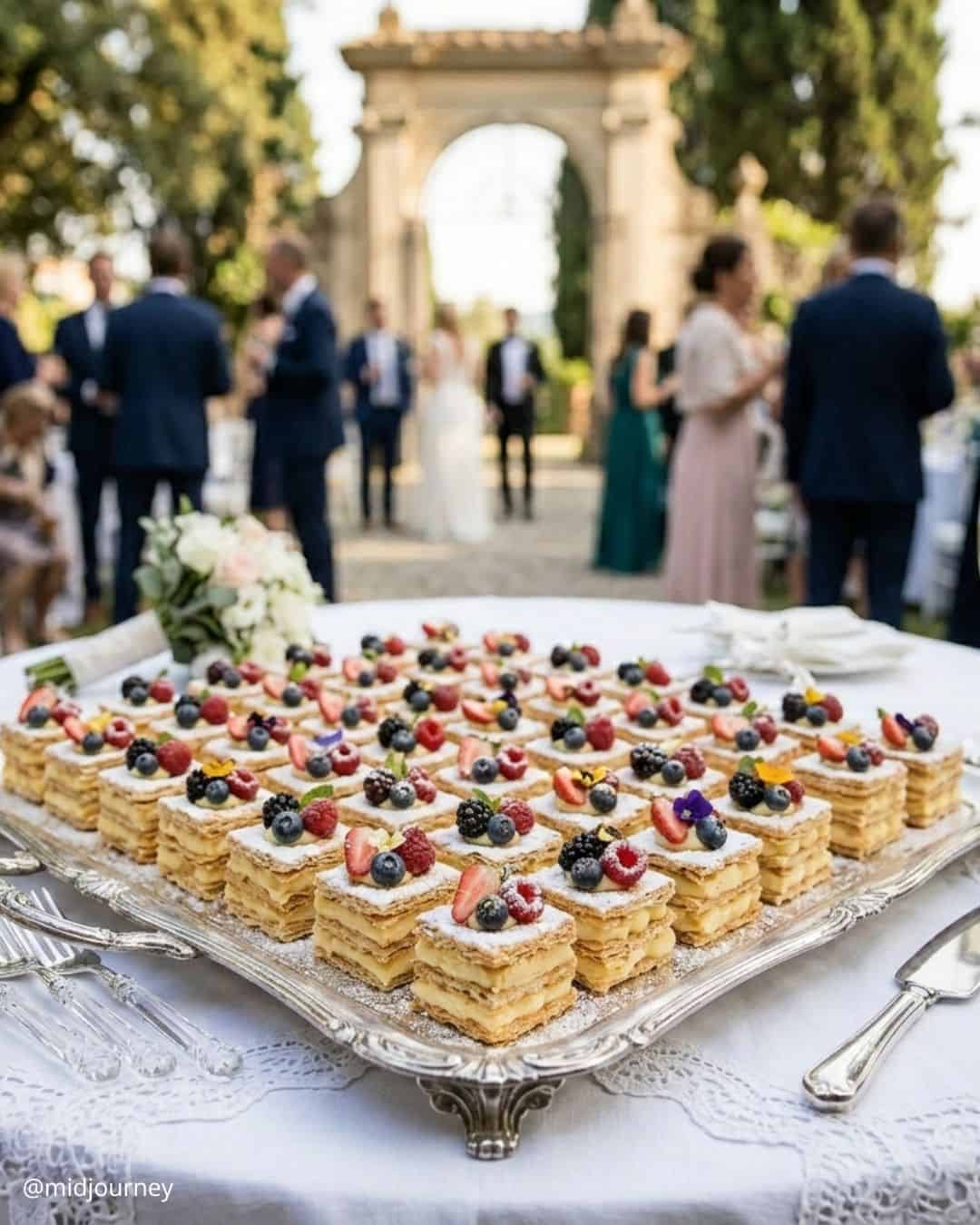
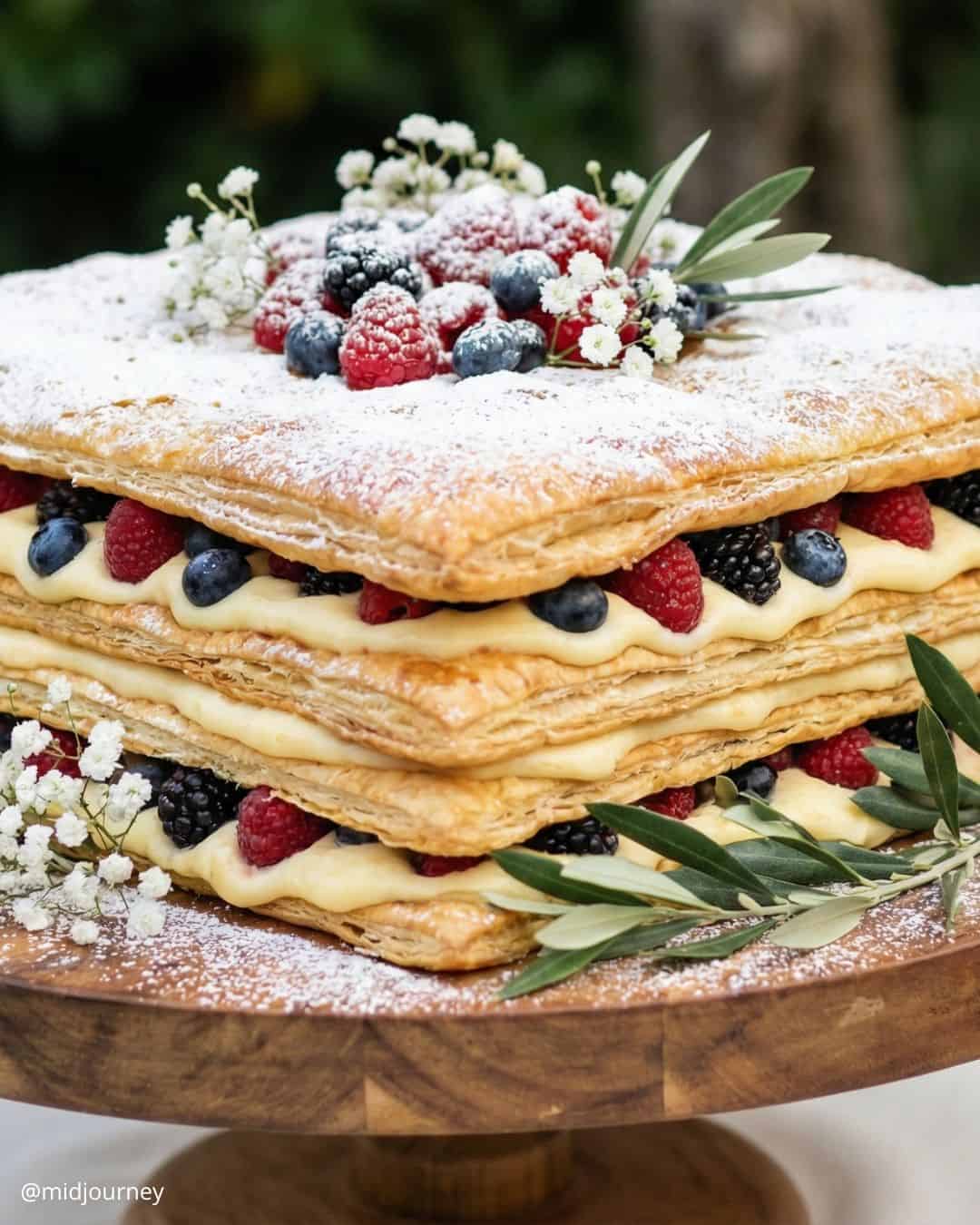
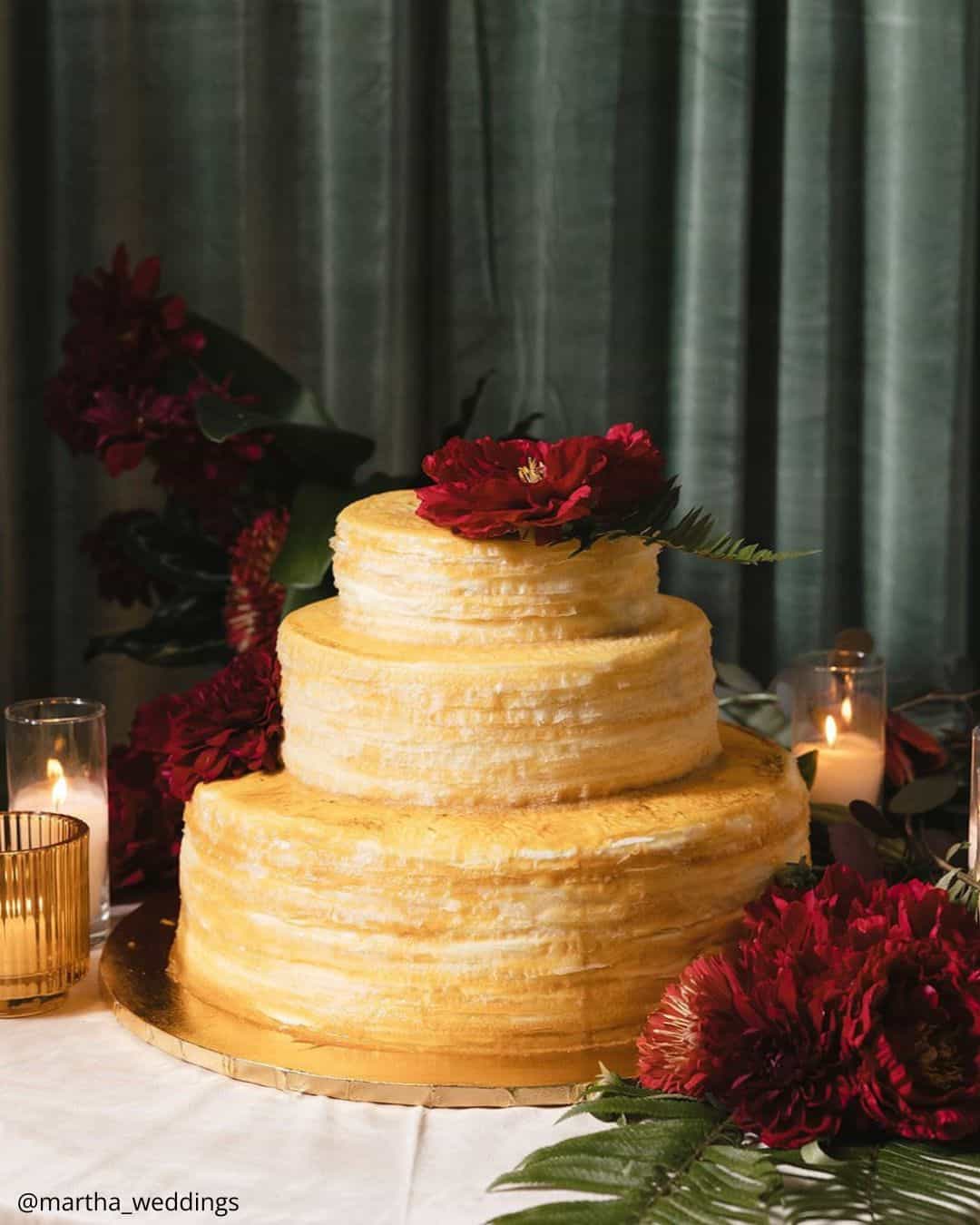
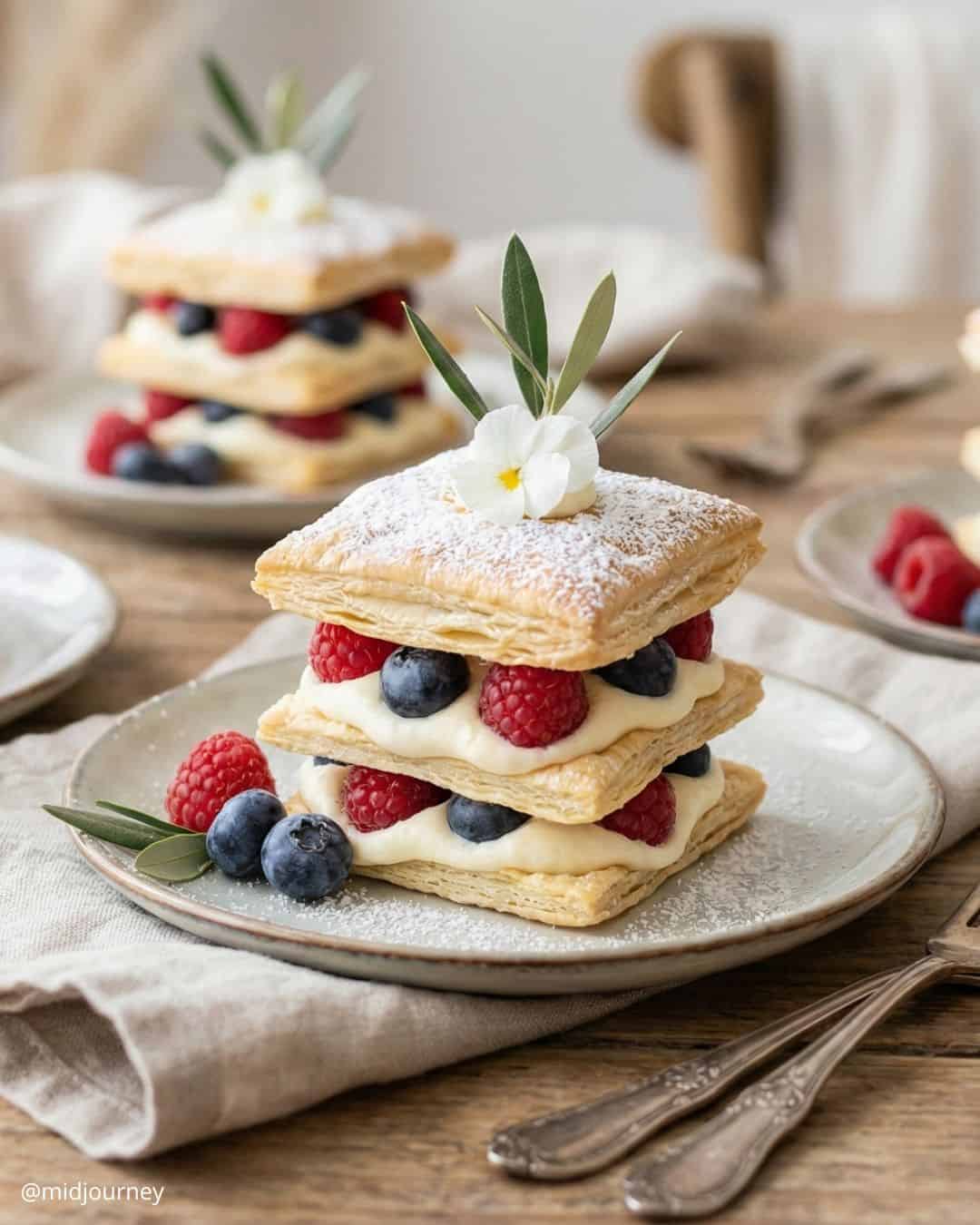
Millefoglie translates to “thousand leaves” in Italian, and this spectacular layered pastry makes a wedding dessert guests never forget. Whisper-thin puff pastry sheets are stacked with lush pastry cream, so when you cut and serve it, stunning horizontal stripes appear.
Vanilla custard anchors the classic version, but contemporary brides lean toward flavored creams like pistachio, chocolate, or whatever fruit is ripest that season. Guest count matters because millefoglie demands expert slicing and careful handling.
The visual payoff is enormous though. Those gilded pastry strata carry a refined presence that photographs like a dream against any wedding backdrop.
Crostata di frutta Italian Wedding Cakes
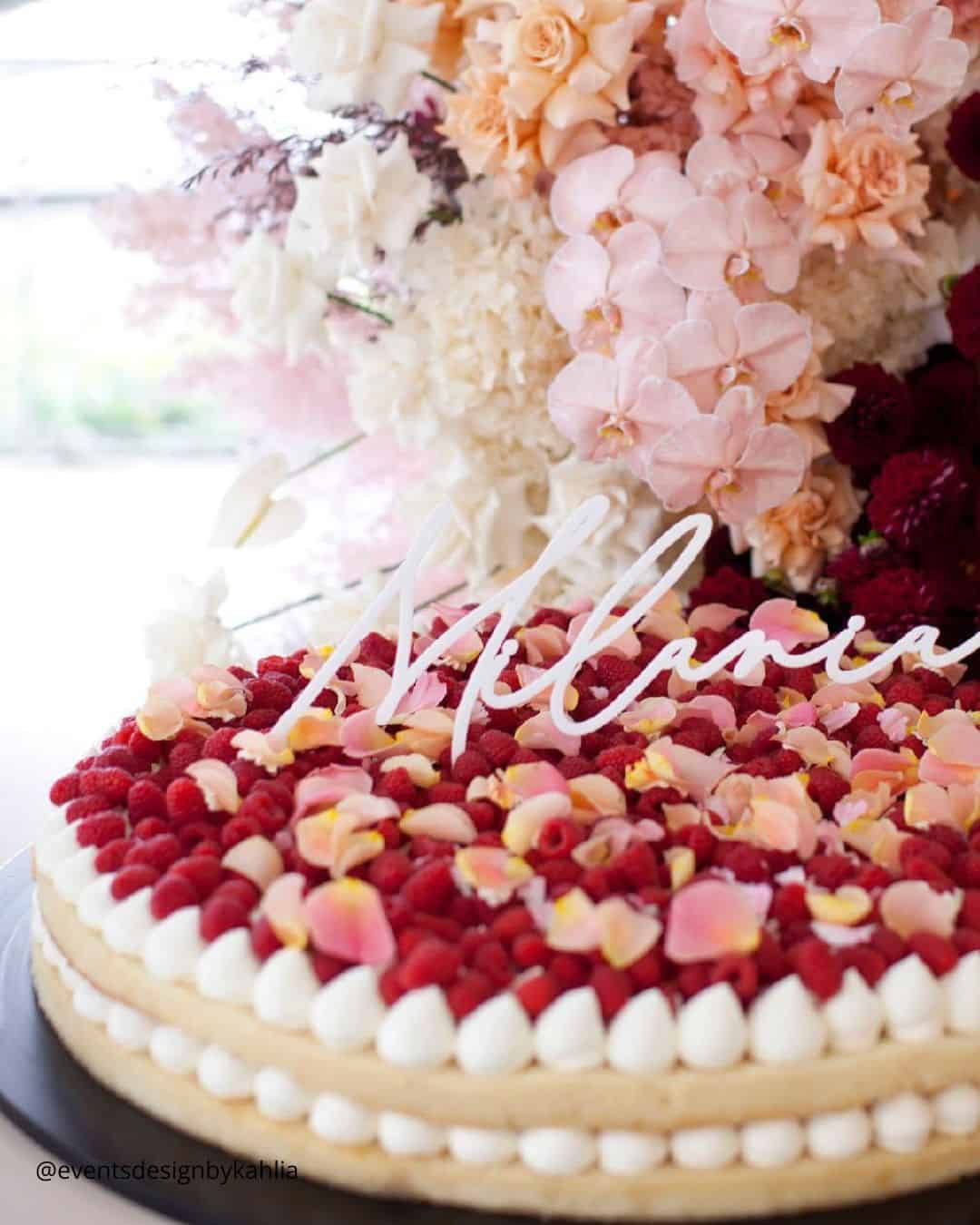
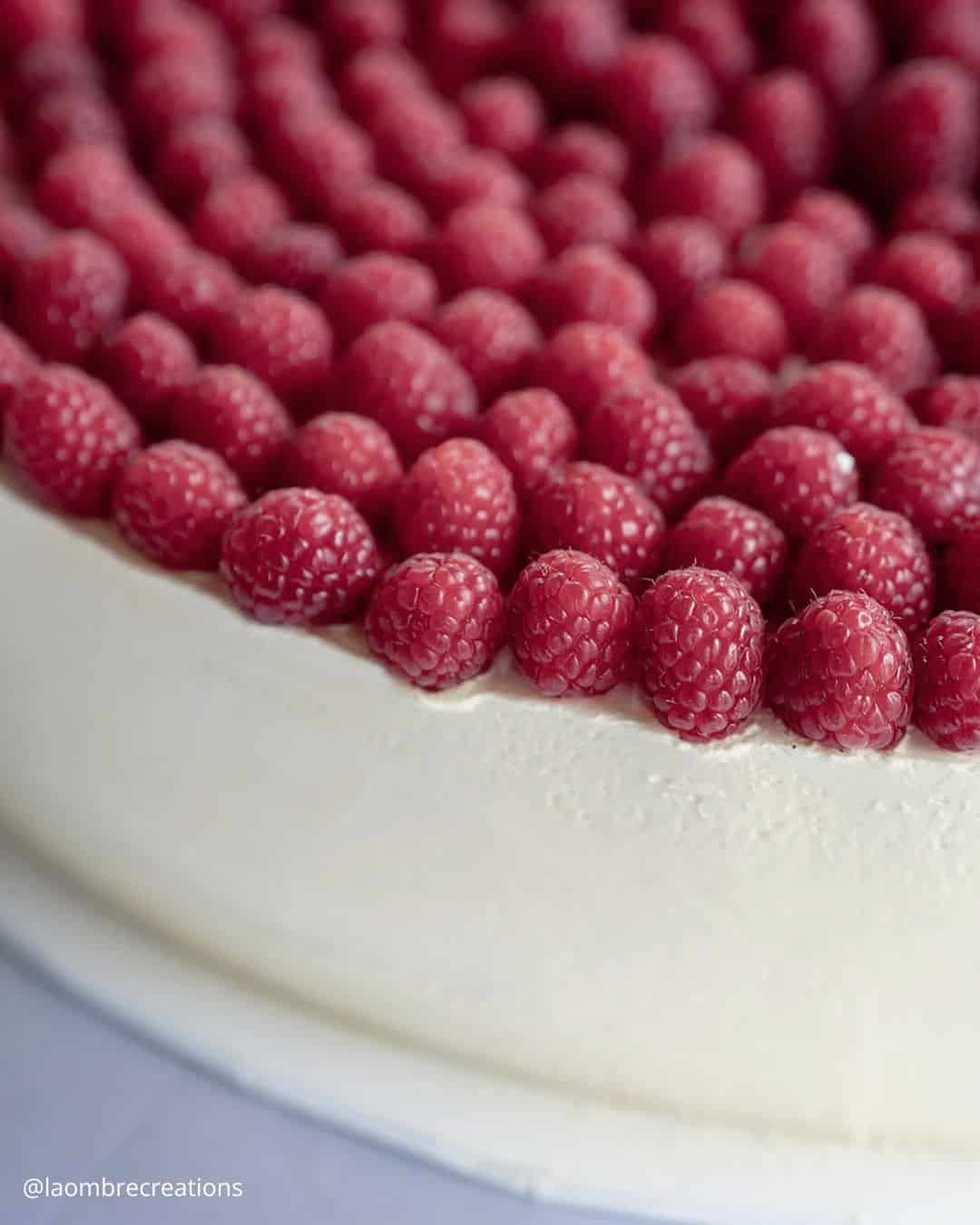
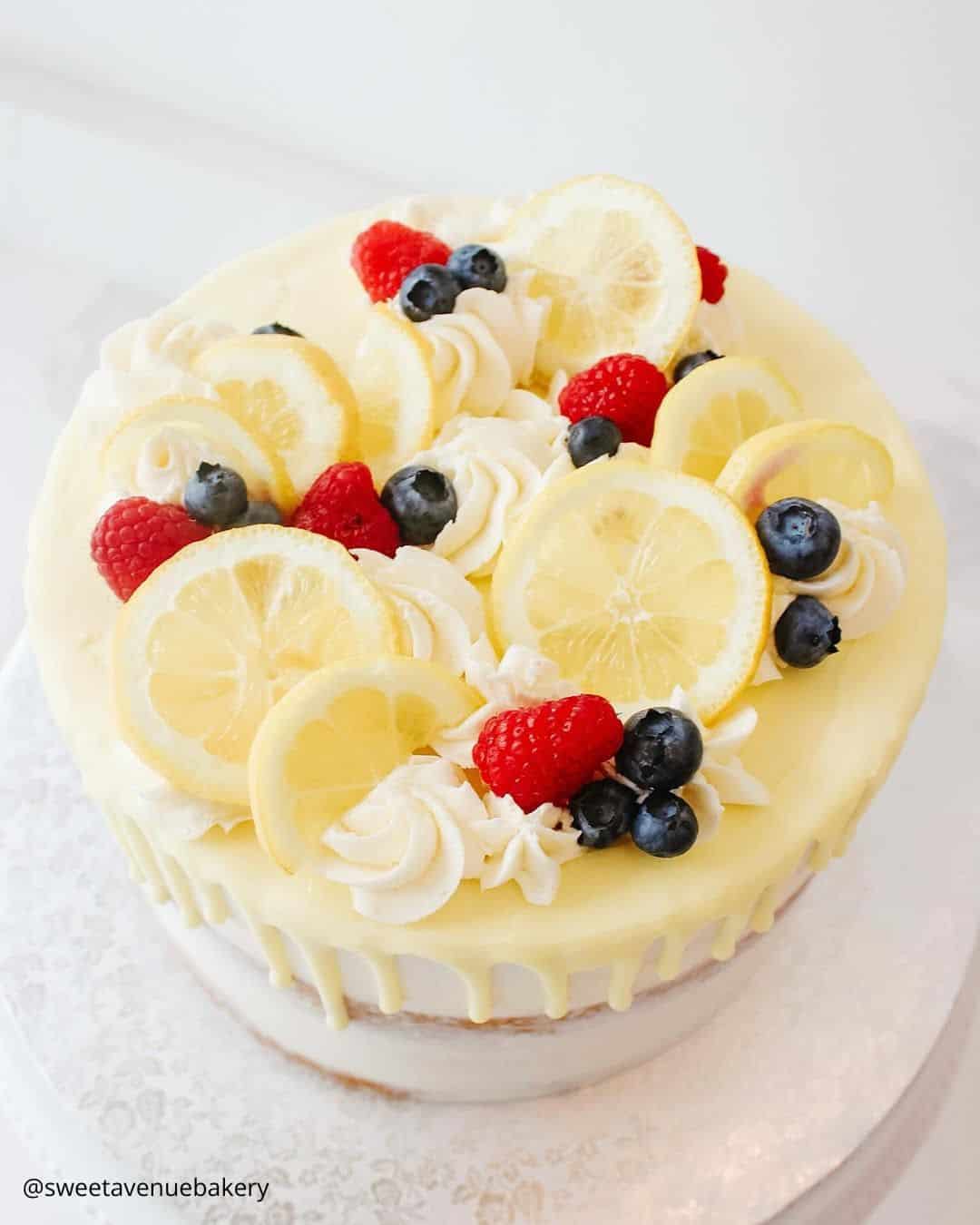
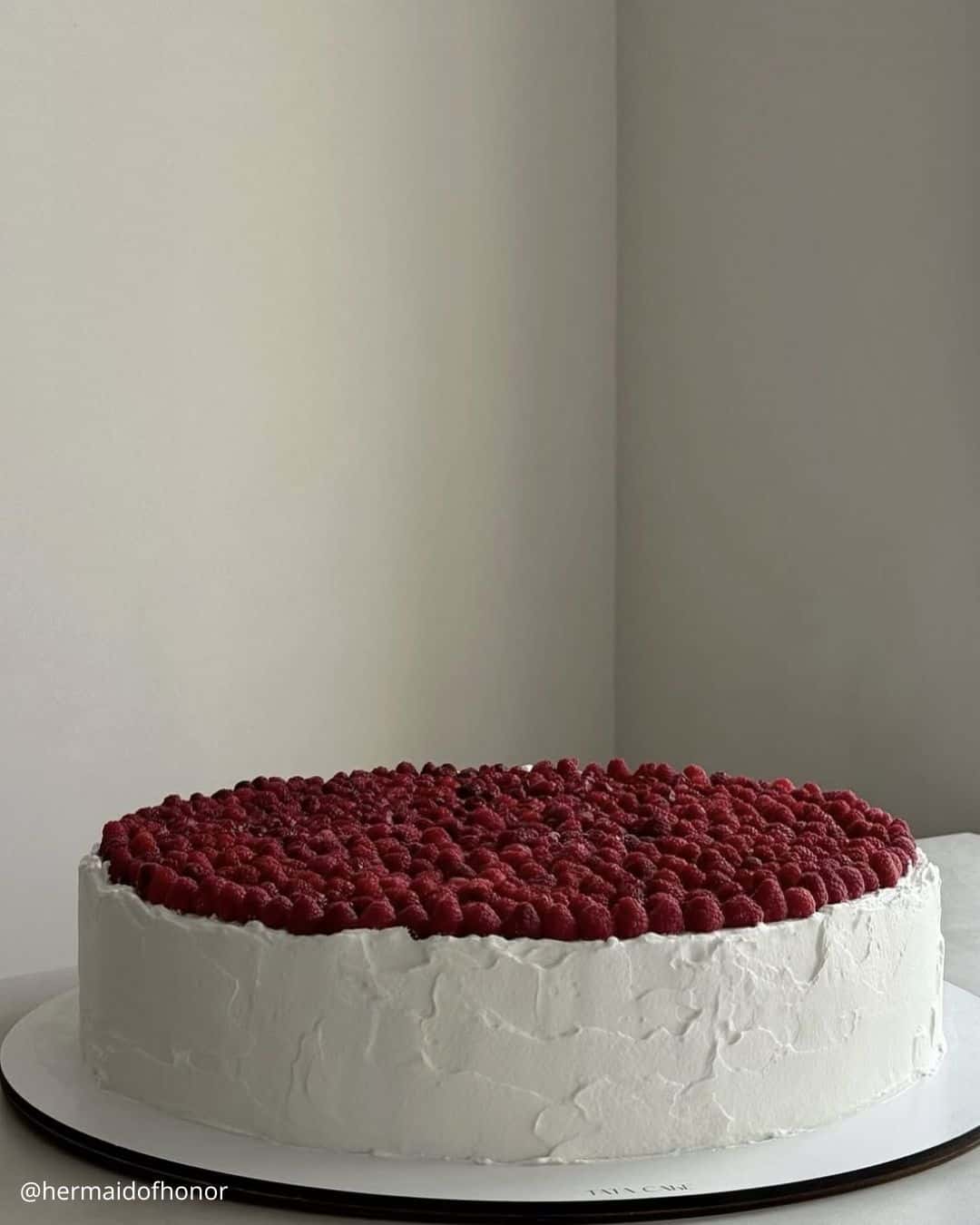
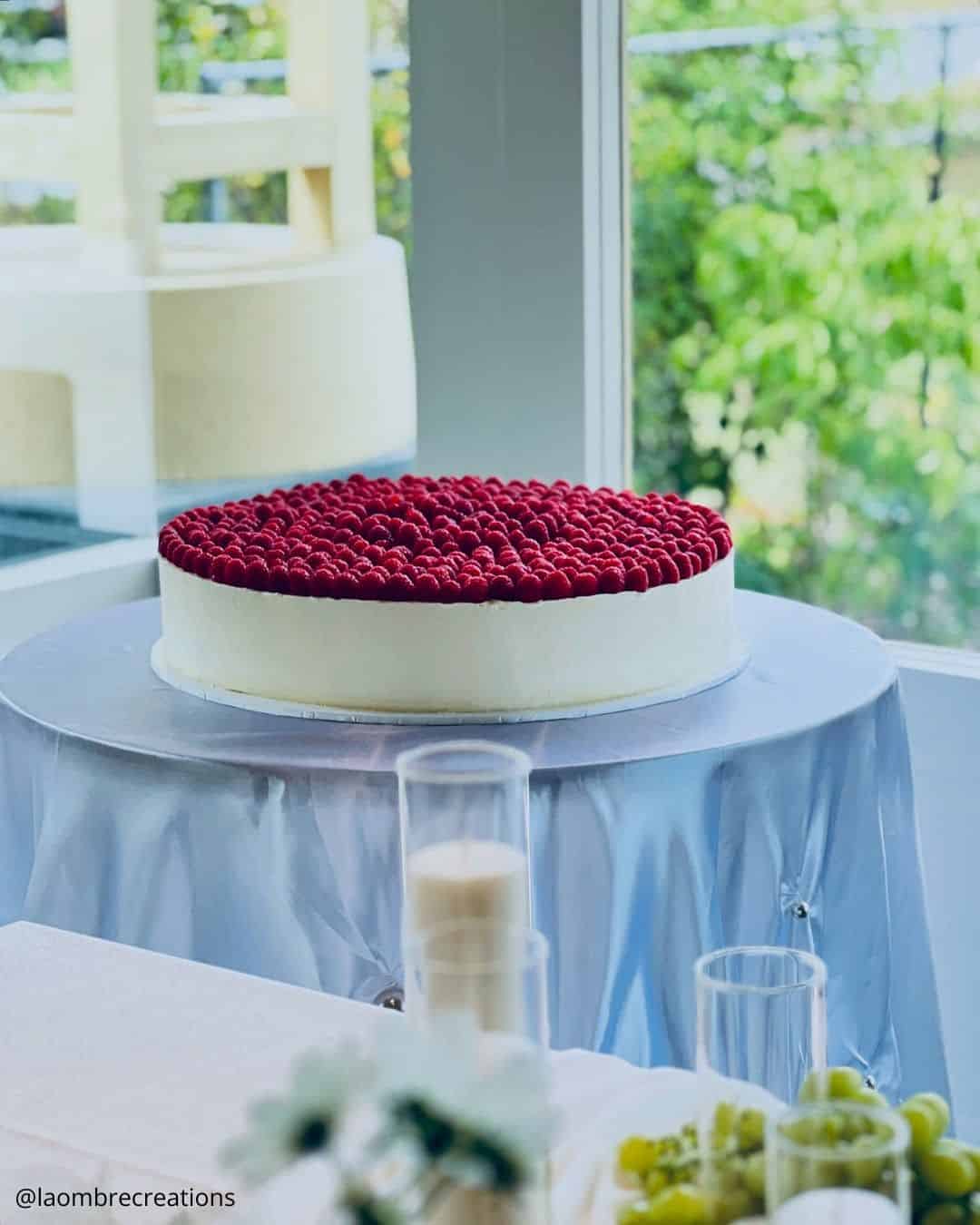
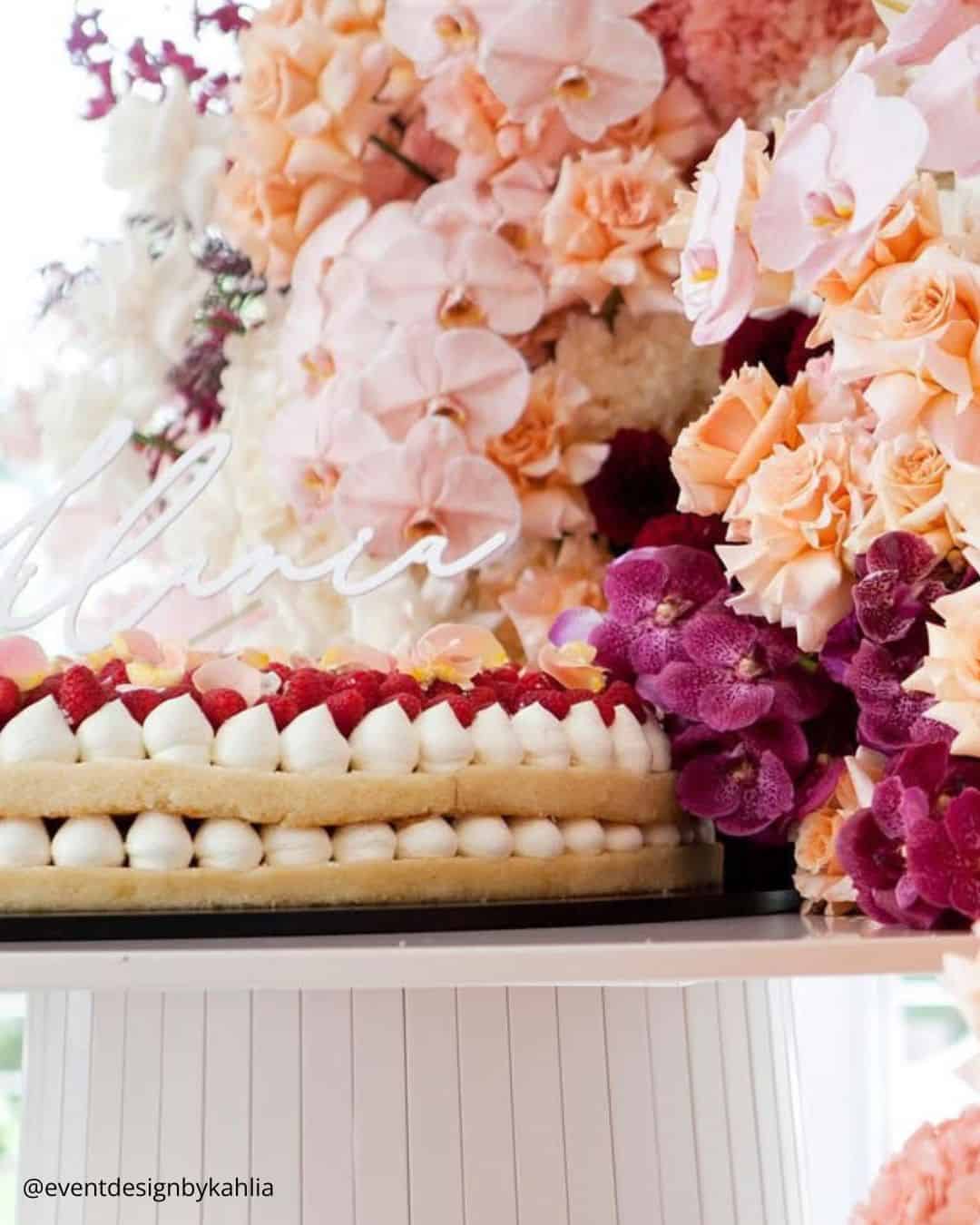
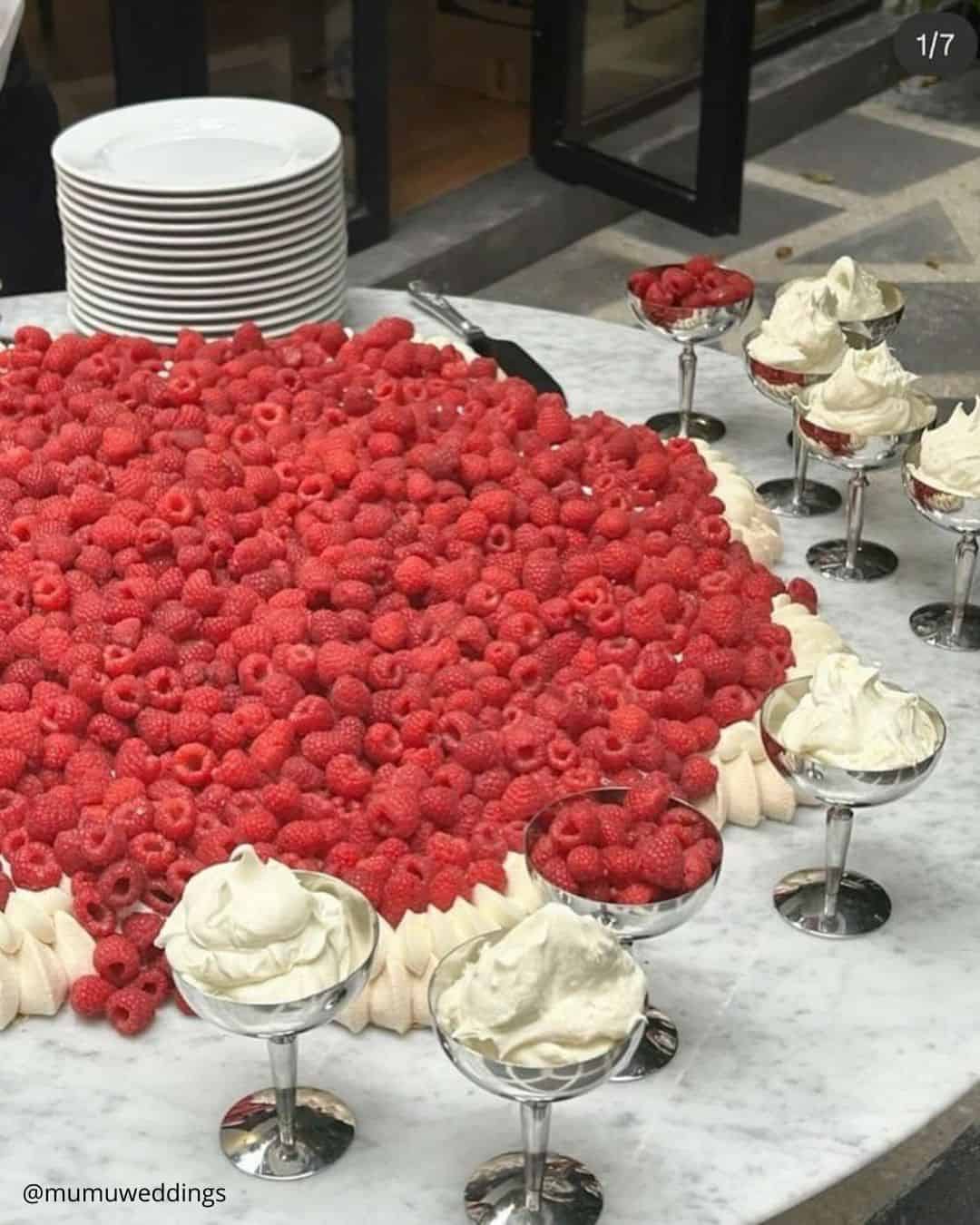
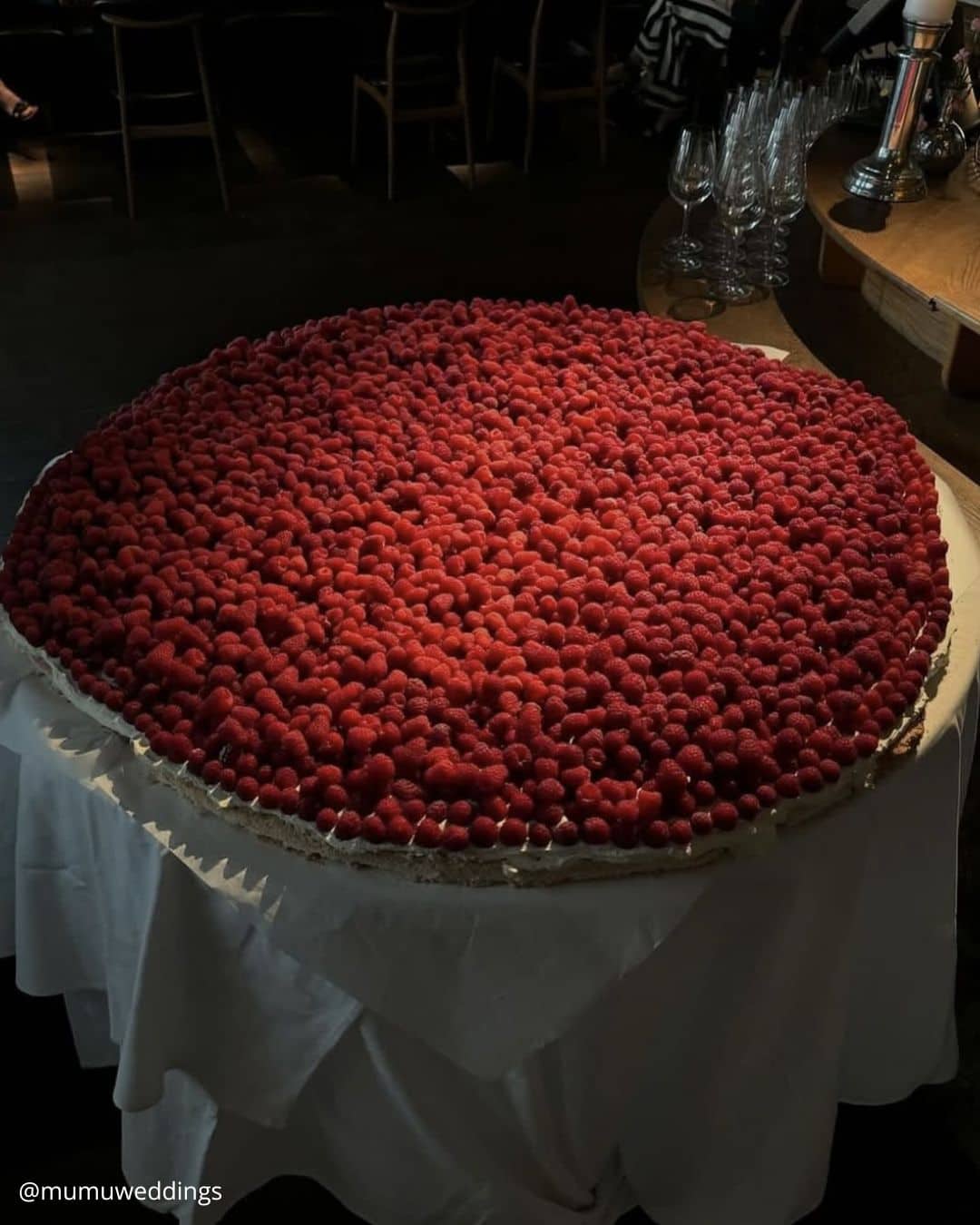
Next up is Crostata di frutta, basically a fruit tart cake lavished with pastry cream or Chantilly cream tucked beneath the surface. This cake really comes alive for seasonal weddings, since you can follow nature’s calendar for your toppings.
Autumn celebrations welcome oranges, pears, kiwis, apples, and pineapple wedges. Spring gatherings bring every imaginable berry to the party.
Sugar Covered Cakes Ideas In American Style
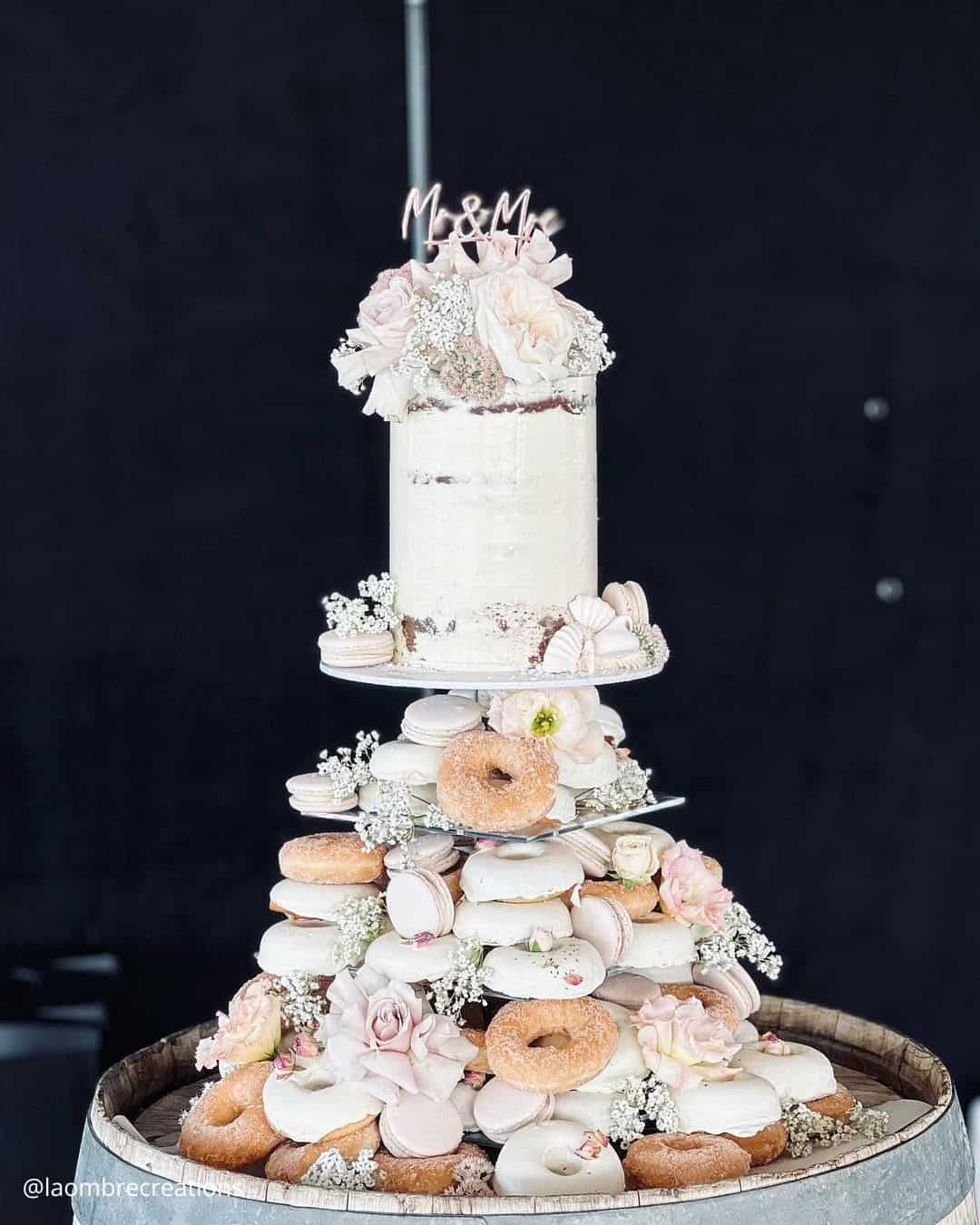
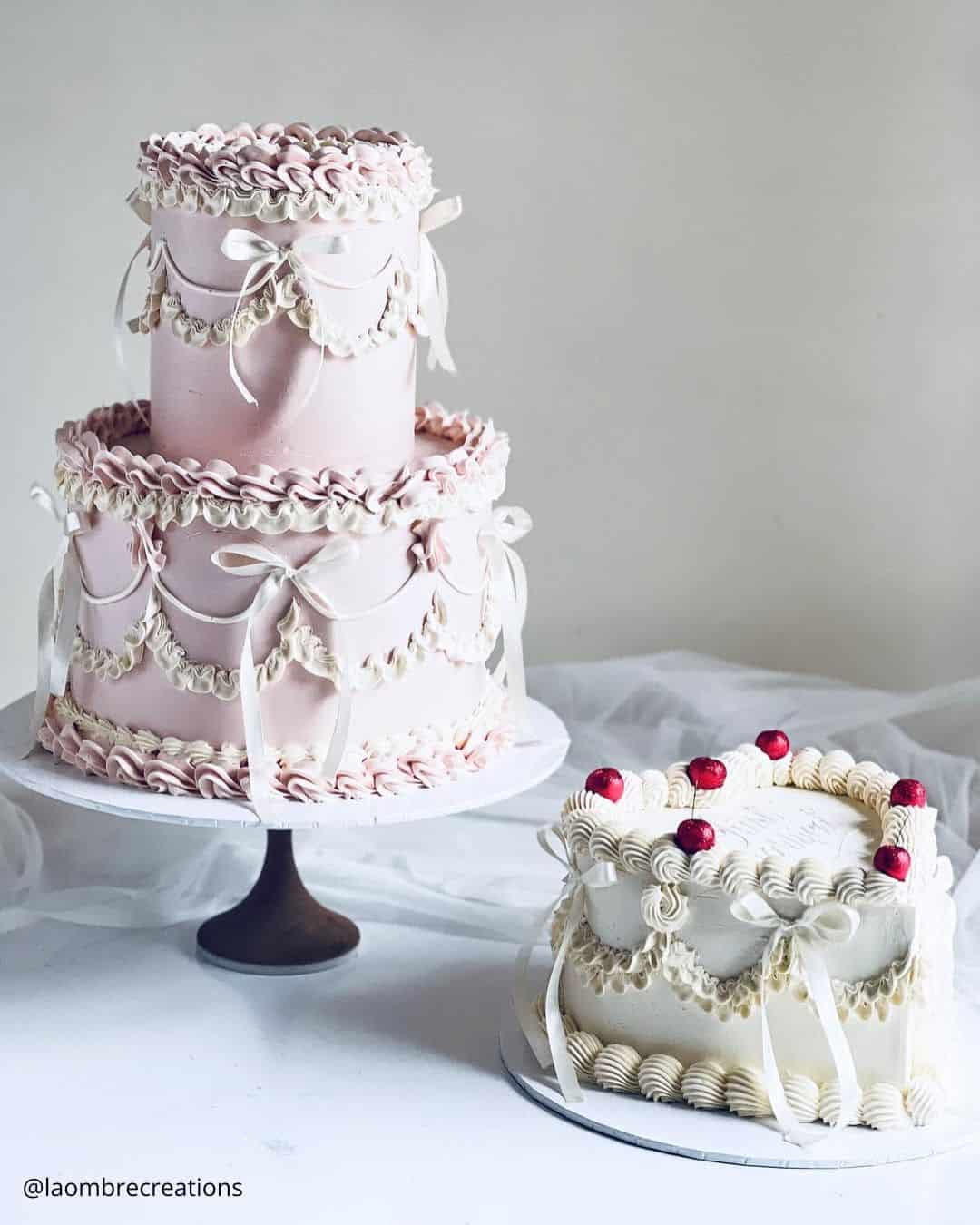
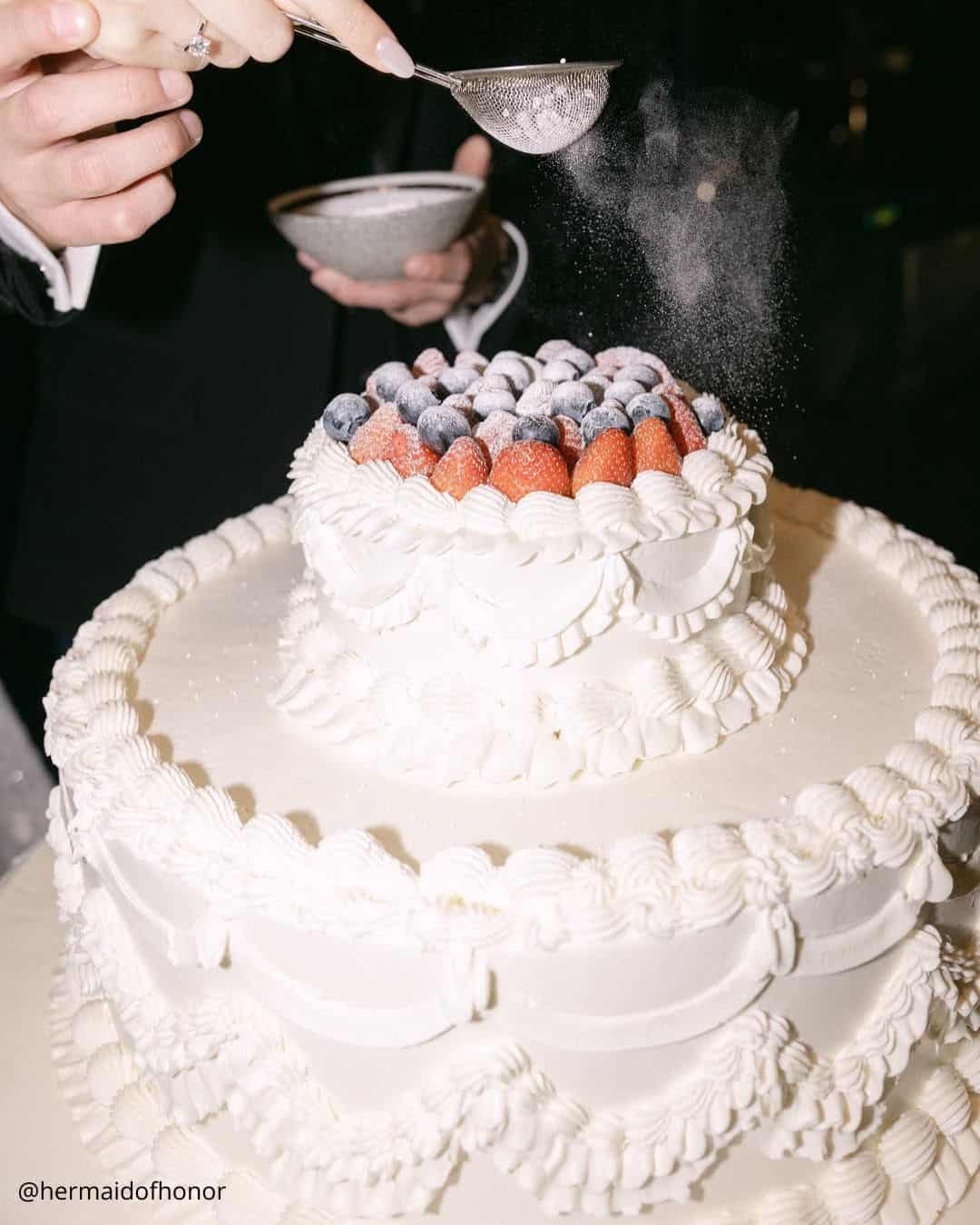
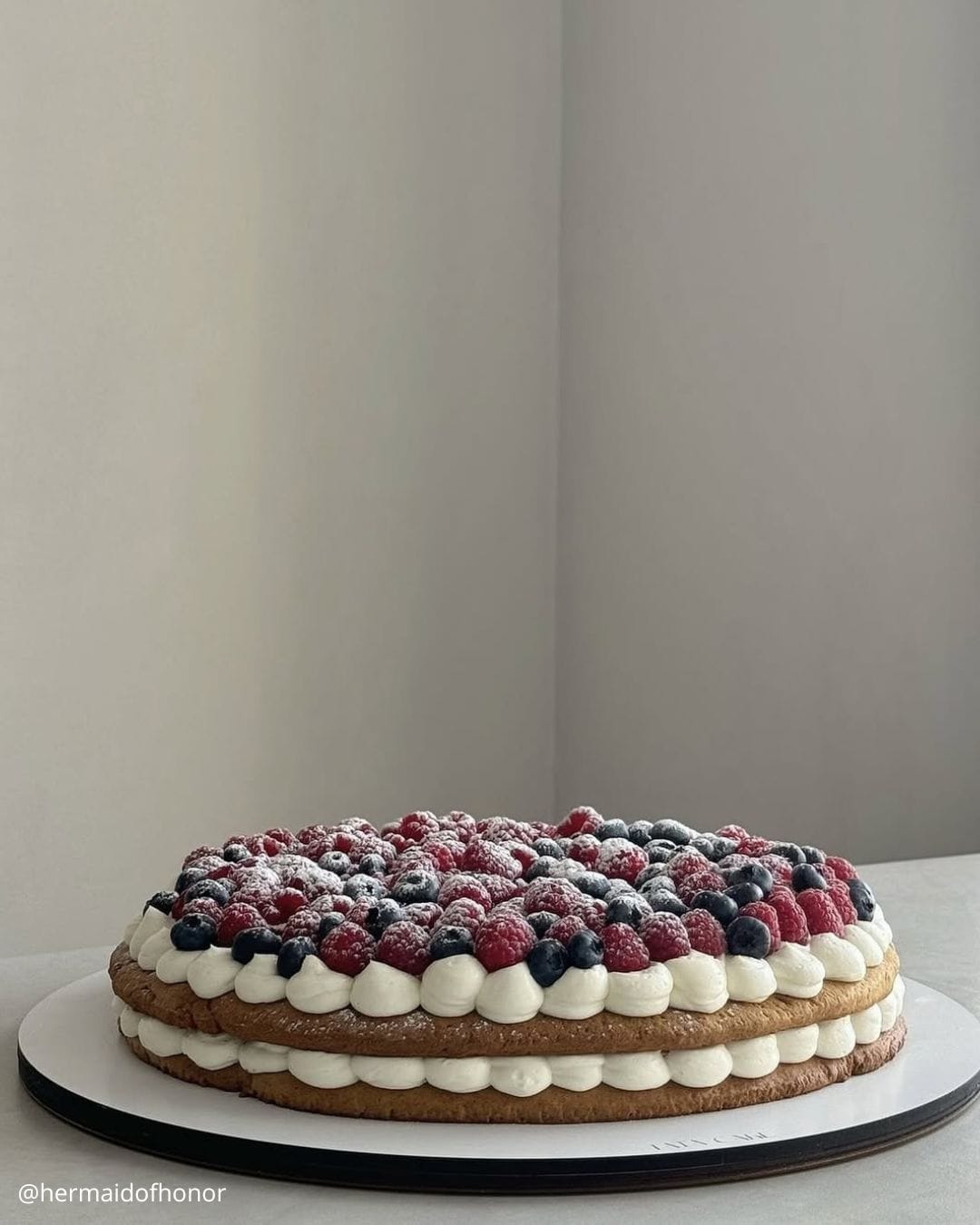
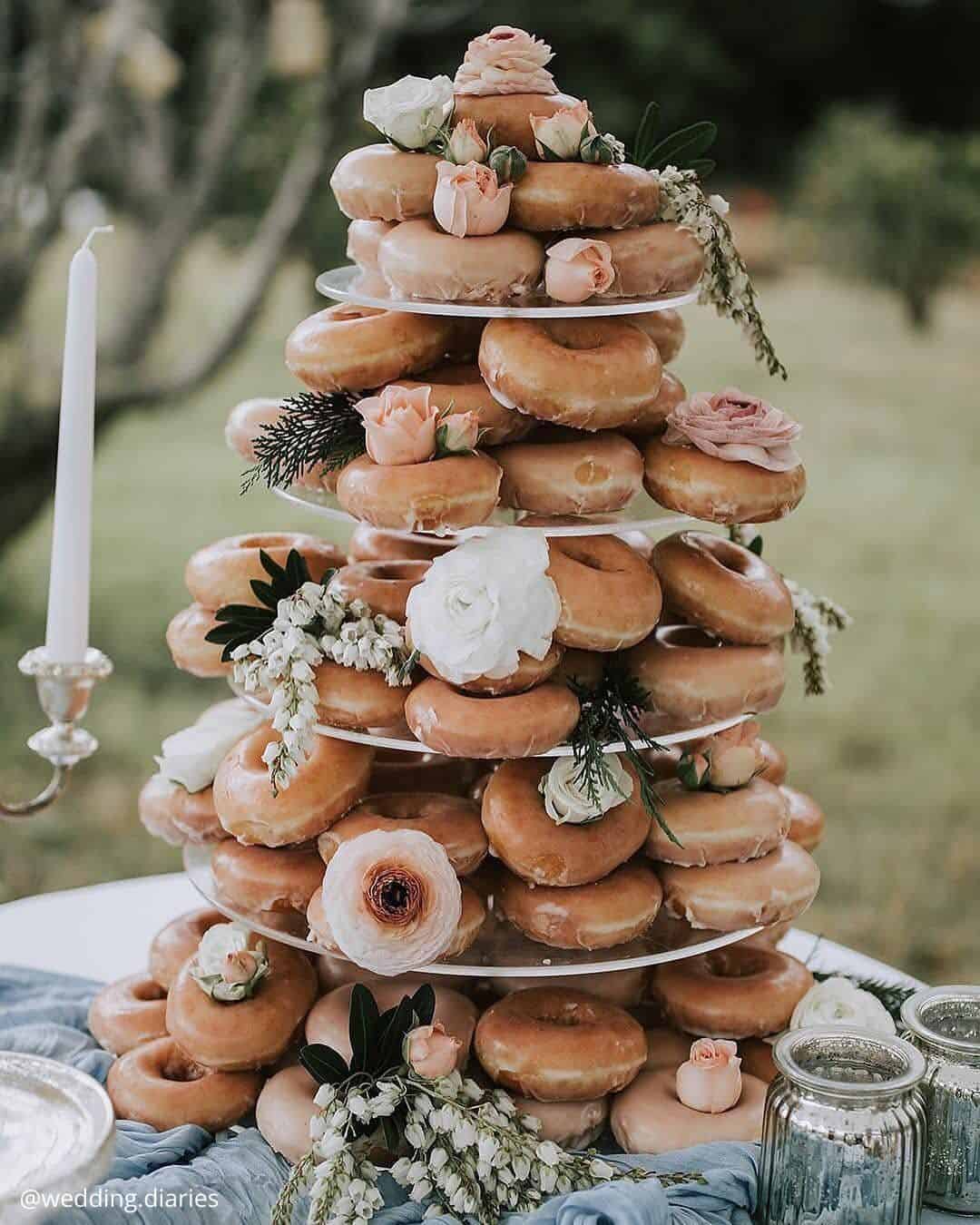
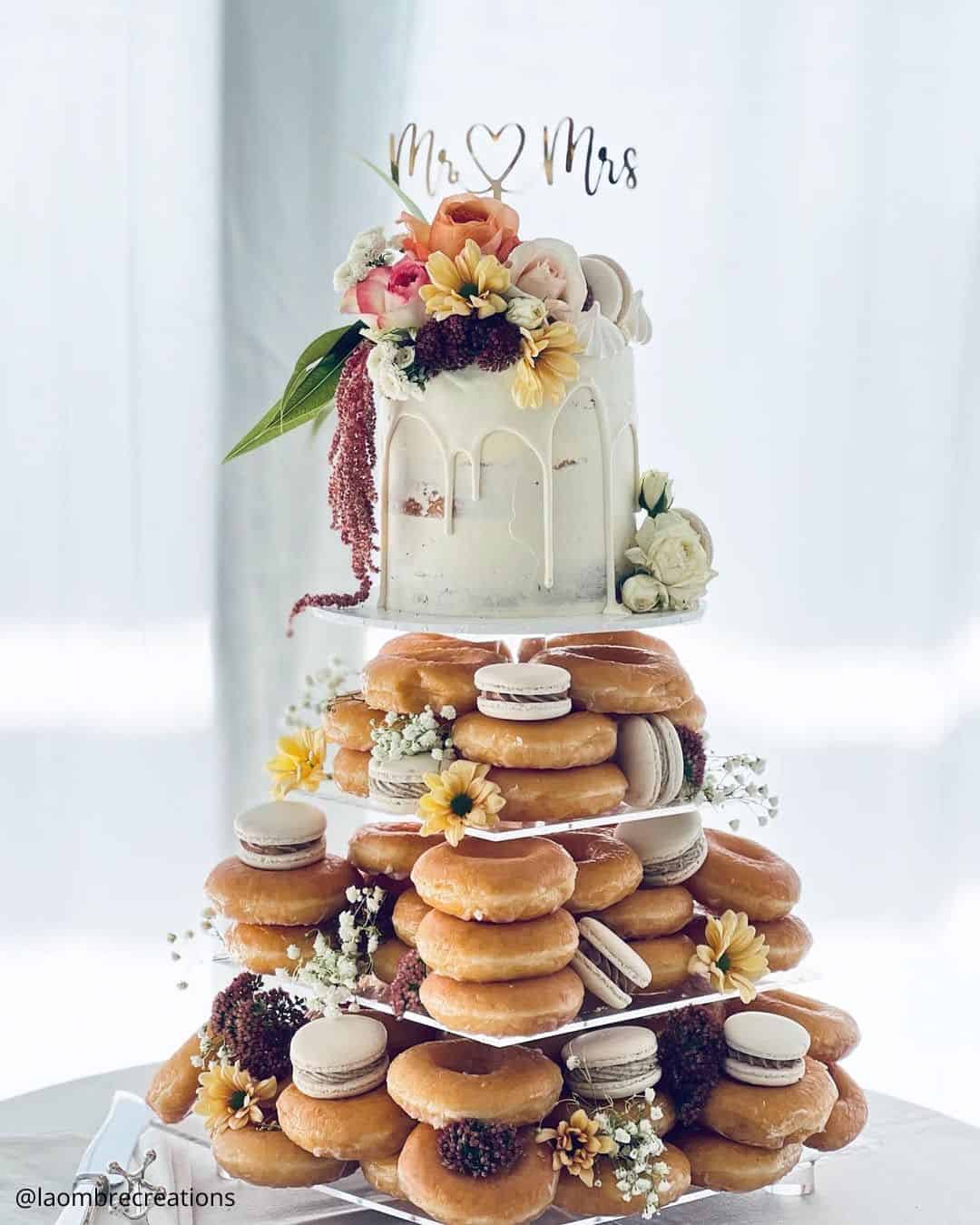
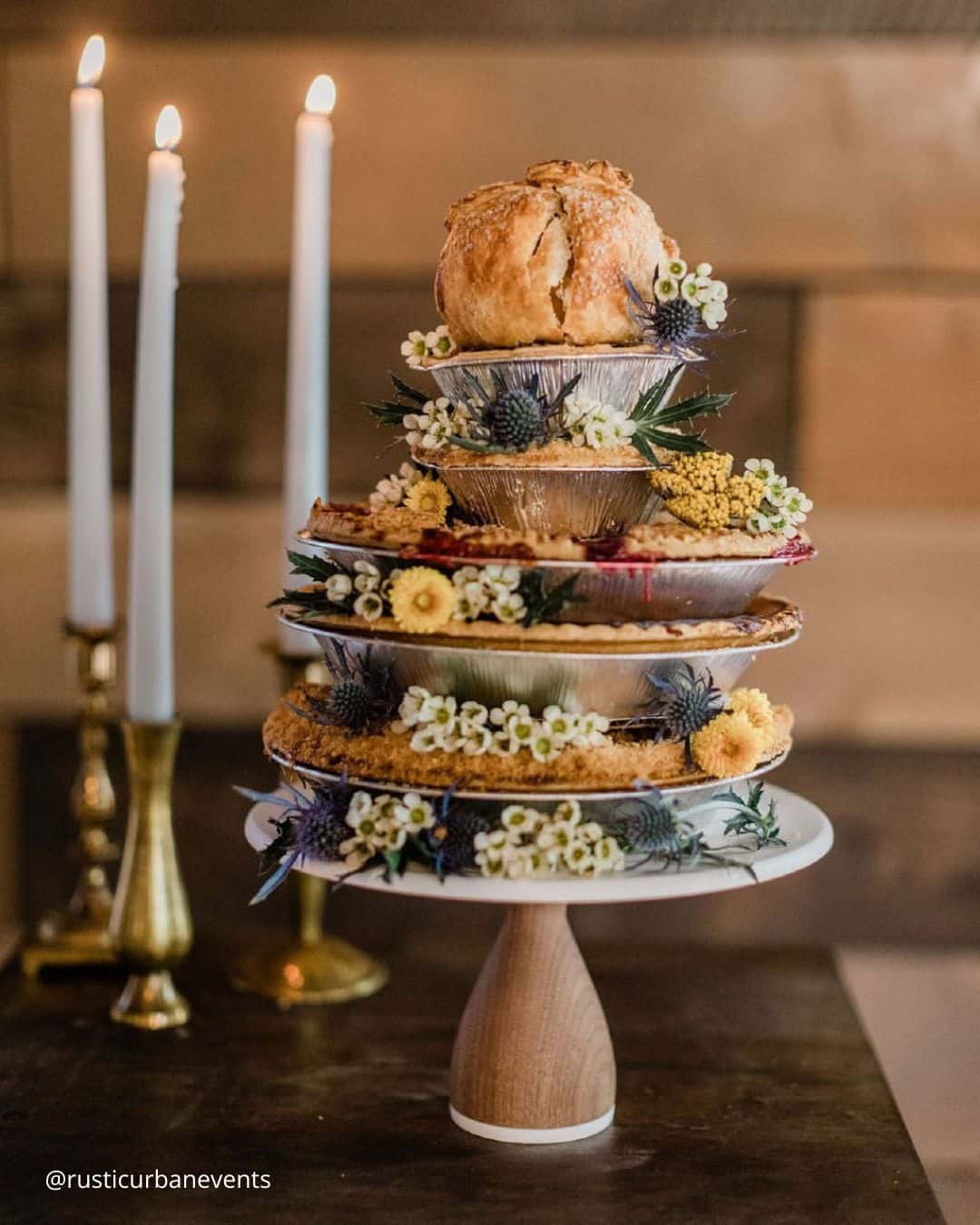
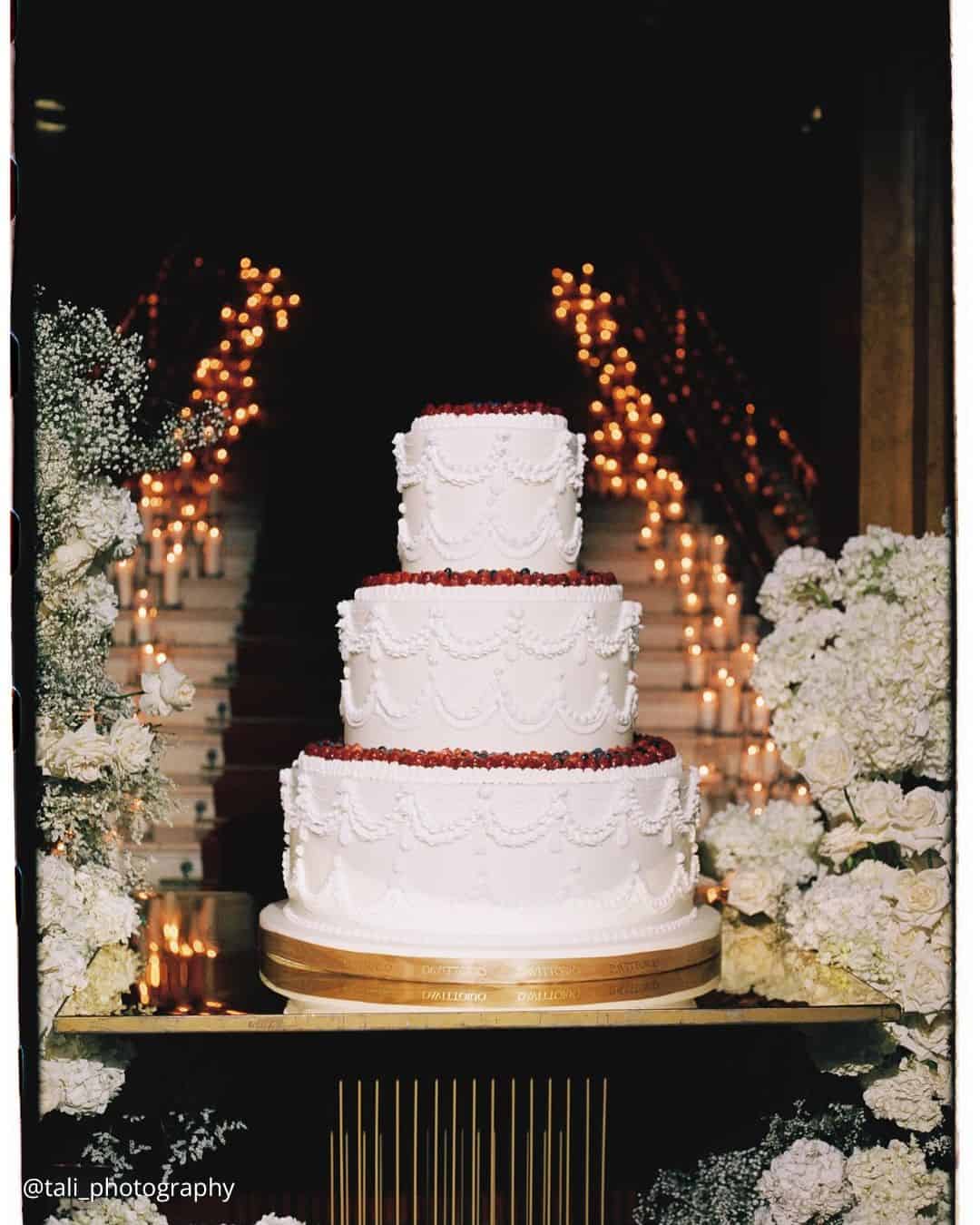
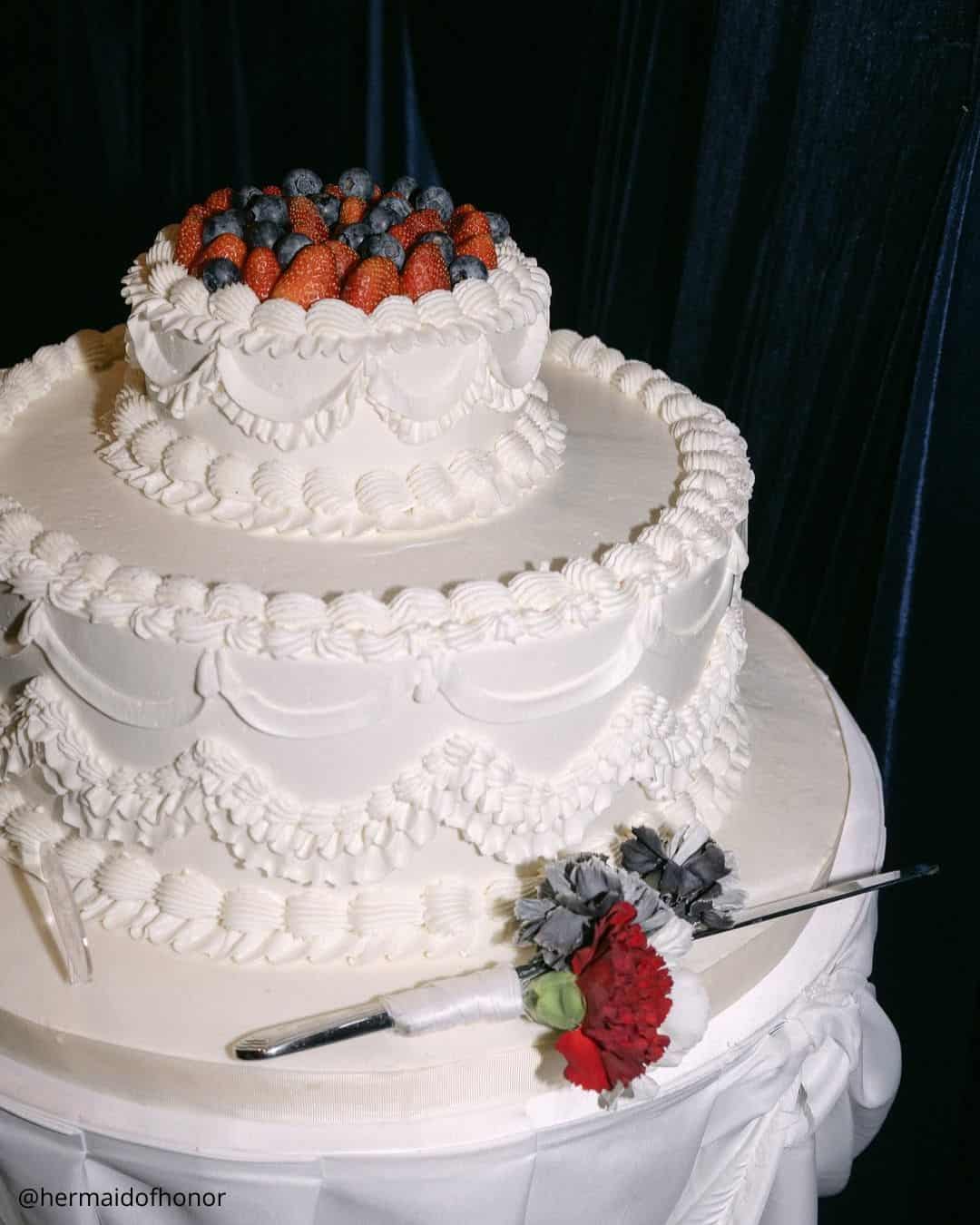
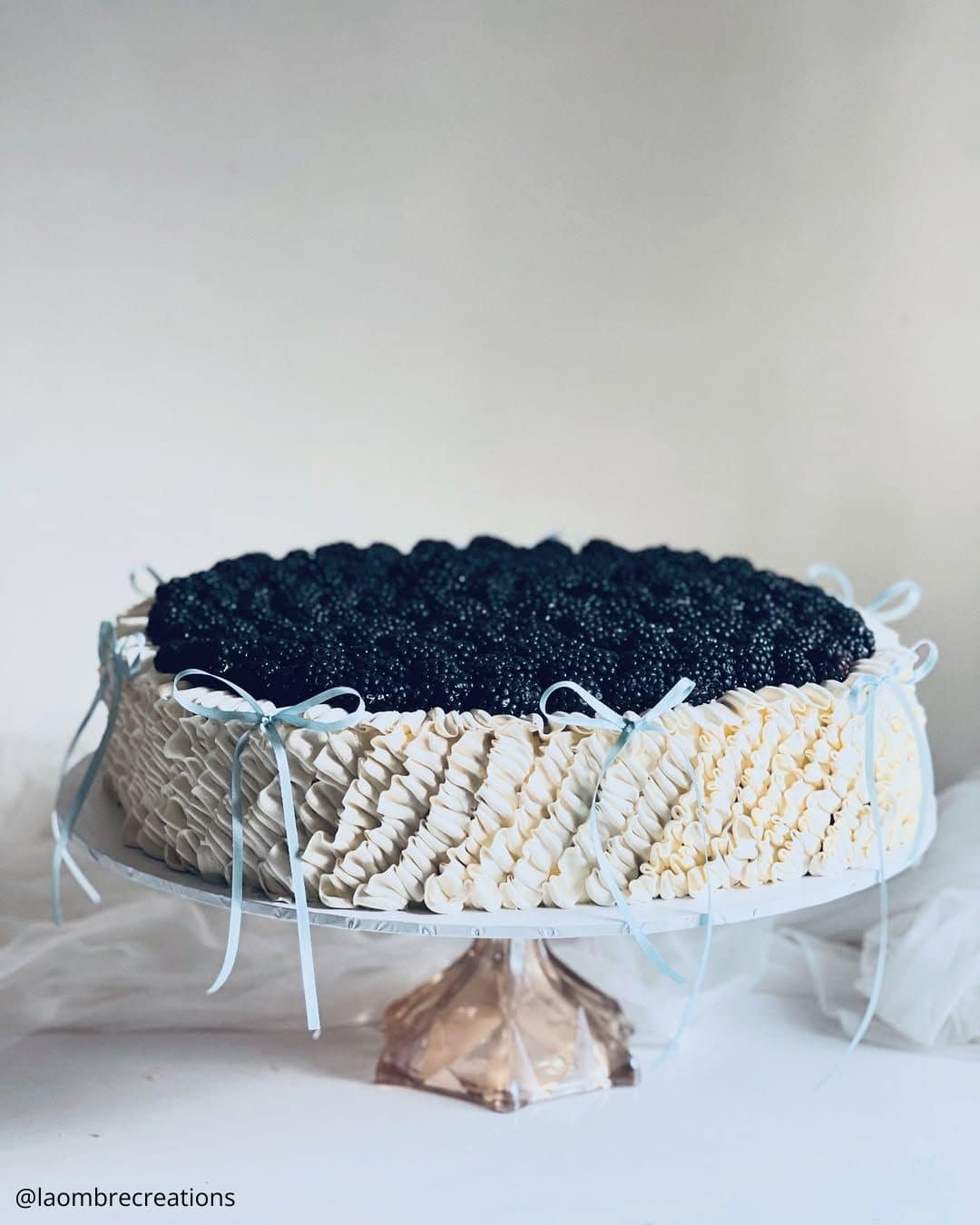
Traditional Italian cakes lean into fresh cream and ripe fruit, while Italian-American fusion styles embrace fondant and buttercream for a sturdier canvas. Tiramisu-inspired tiers make a popular showing, layering coffee-soaked sponge with mascarpone filling and wrapping everything in sleek white fondant crowned with sugar flowers.
A naked cake with ricotta cream, honey drizzled generously, and fresh figs perched on top brings a modern edge.
A note from the bakery: if your wedding unfolds outdoors in summer heat, lean toward American-style coverings that hold their composure. Traditional Italian creams demand vigilant temperature control.
Italian Pastry Traditions for Weddings
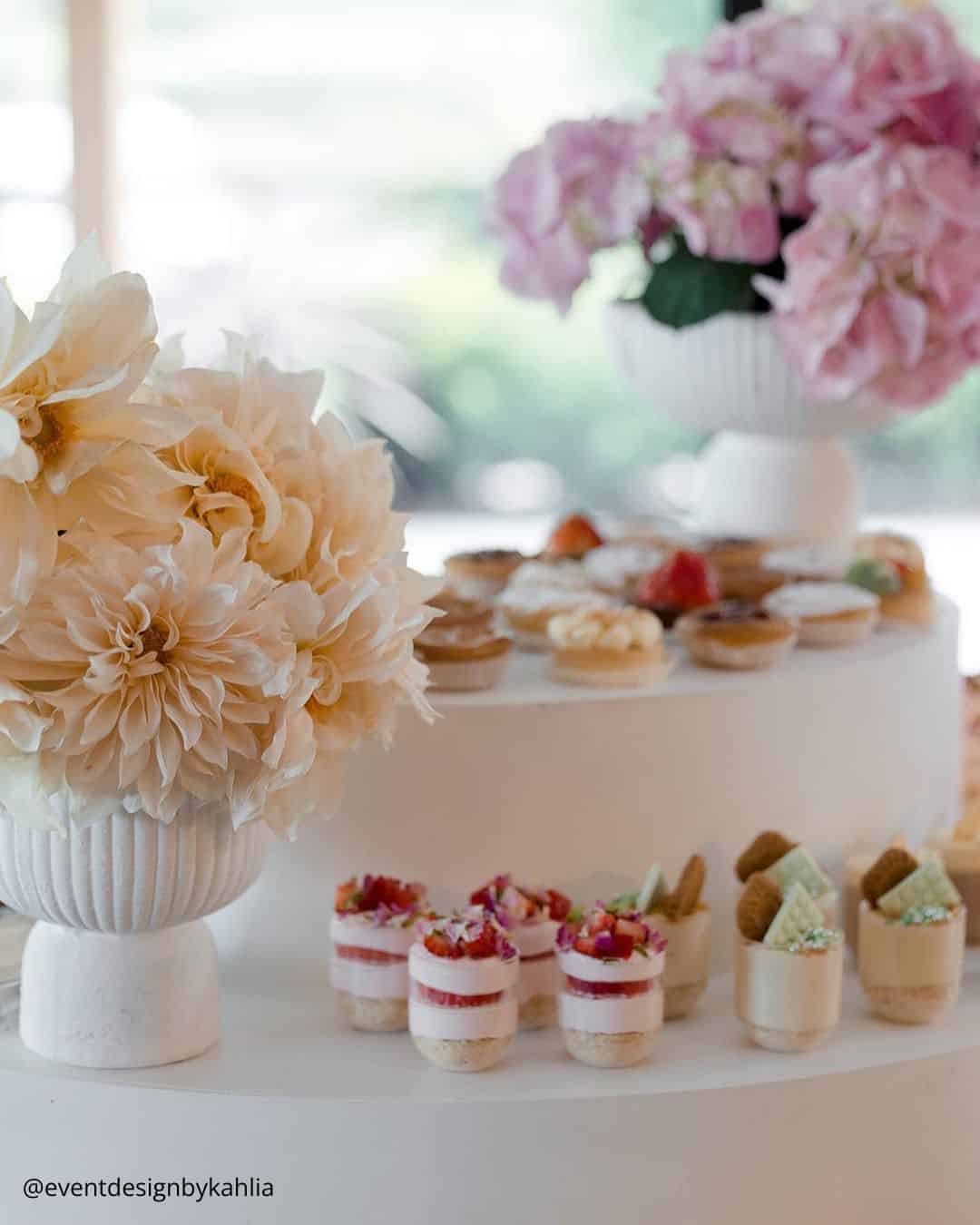
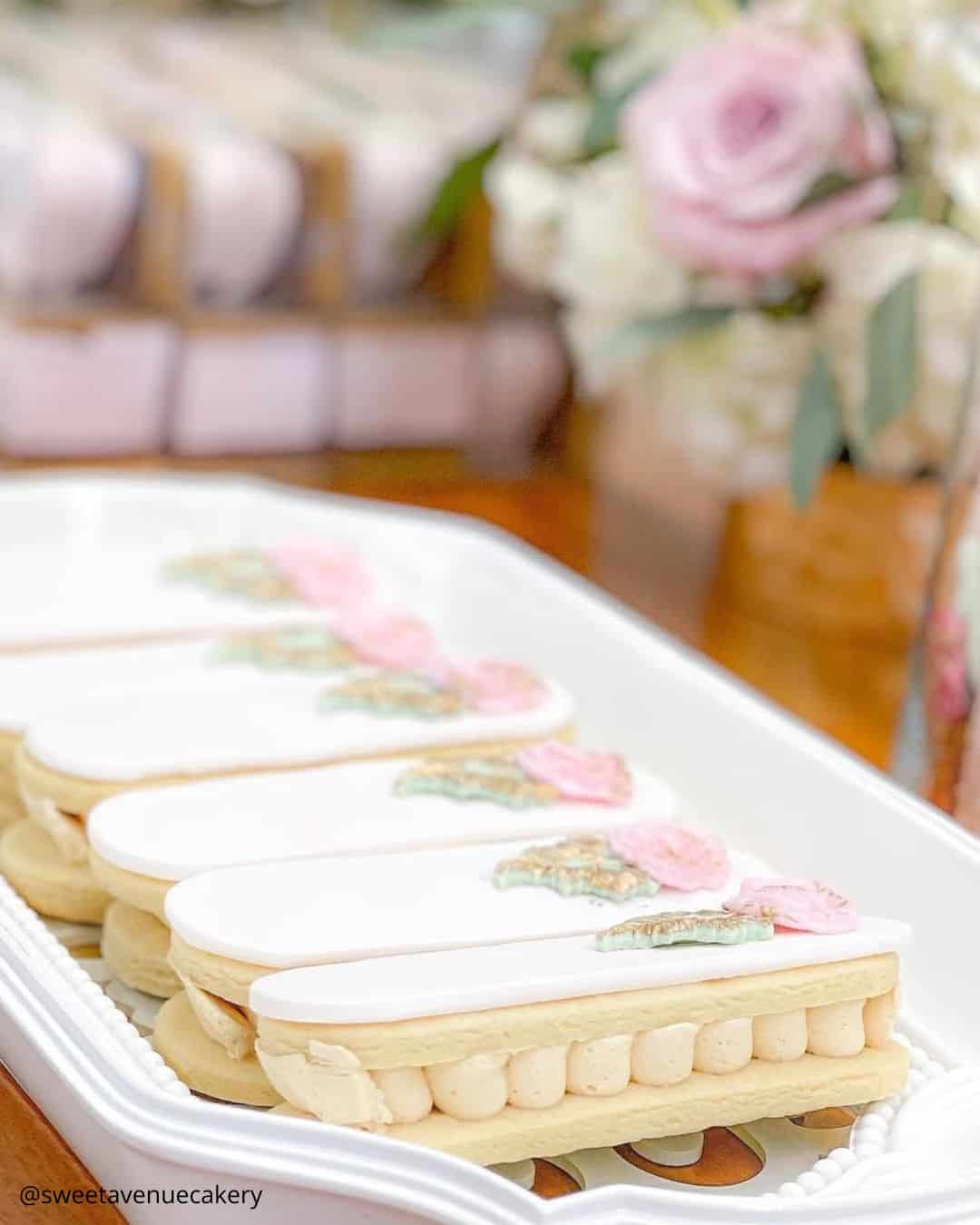
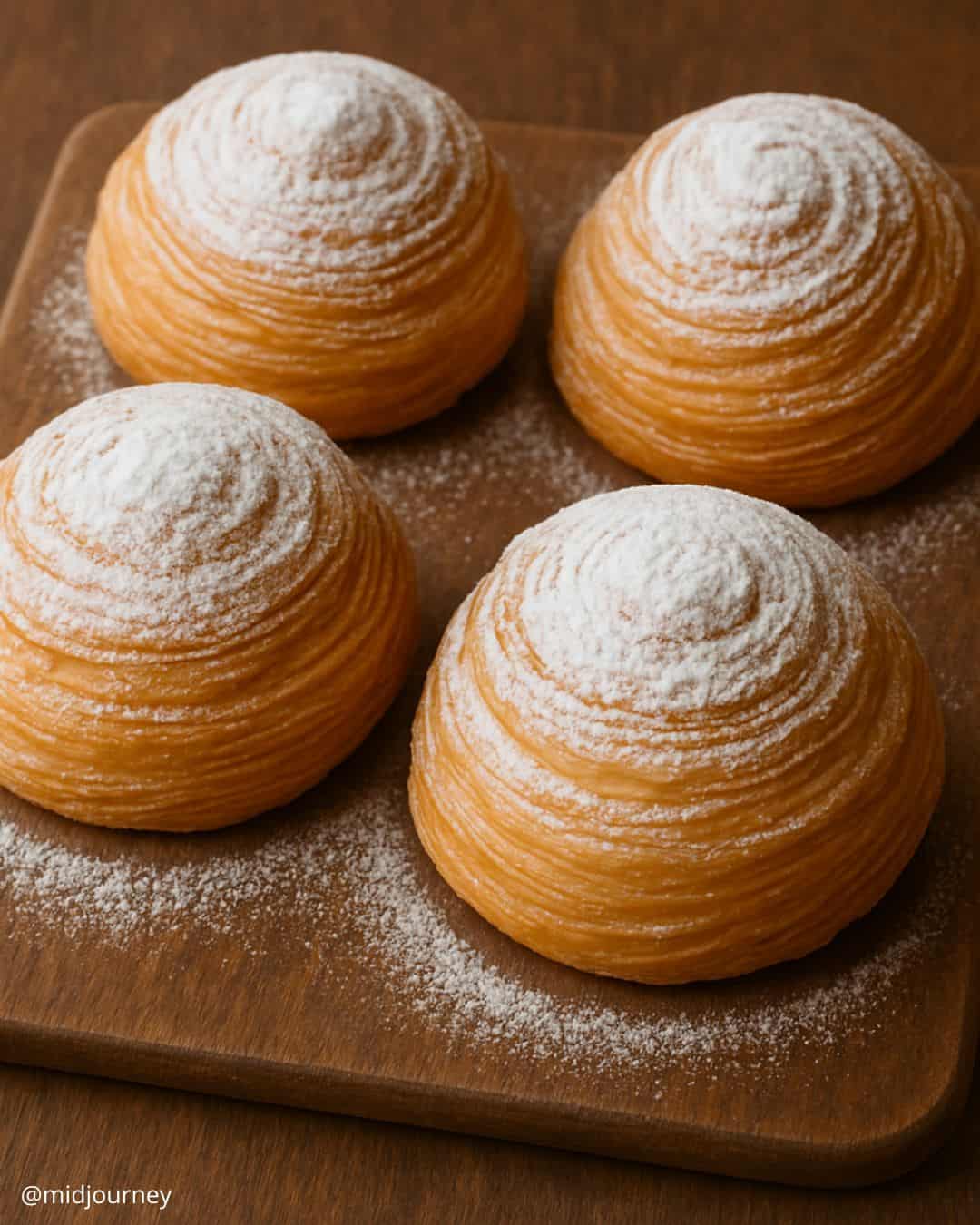
Centuries of tradition and unmatched flavor pour into Italian wedding pastries. Look beyond millefoglie toward cannoli towers, elaborate sfogliatelle displays, or classic tiramisu presentations.
These desserts give guests passport-free passage to authentic Italian experiences while offering alternatives to standard American wedding cakes.
Many Italian bakeries craft custom arrangements that blend multiple pastries for maximum variety. Freshness is everything with Italian pastries, so timing with your baker deserves careful coordination.
Think about presenting modest portions of several pastries instead of one monumental cake, letting guests wander through different flavors. That approach builds a memorable dessert moment that mirrors true Italian hospitality and culinary mastery.
Interactive Cake Decorating Ceremony
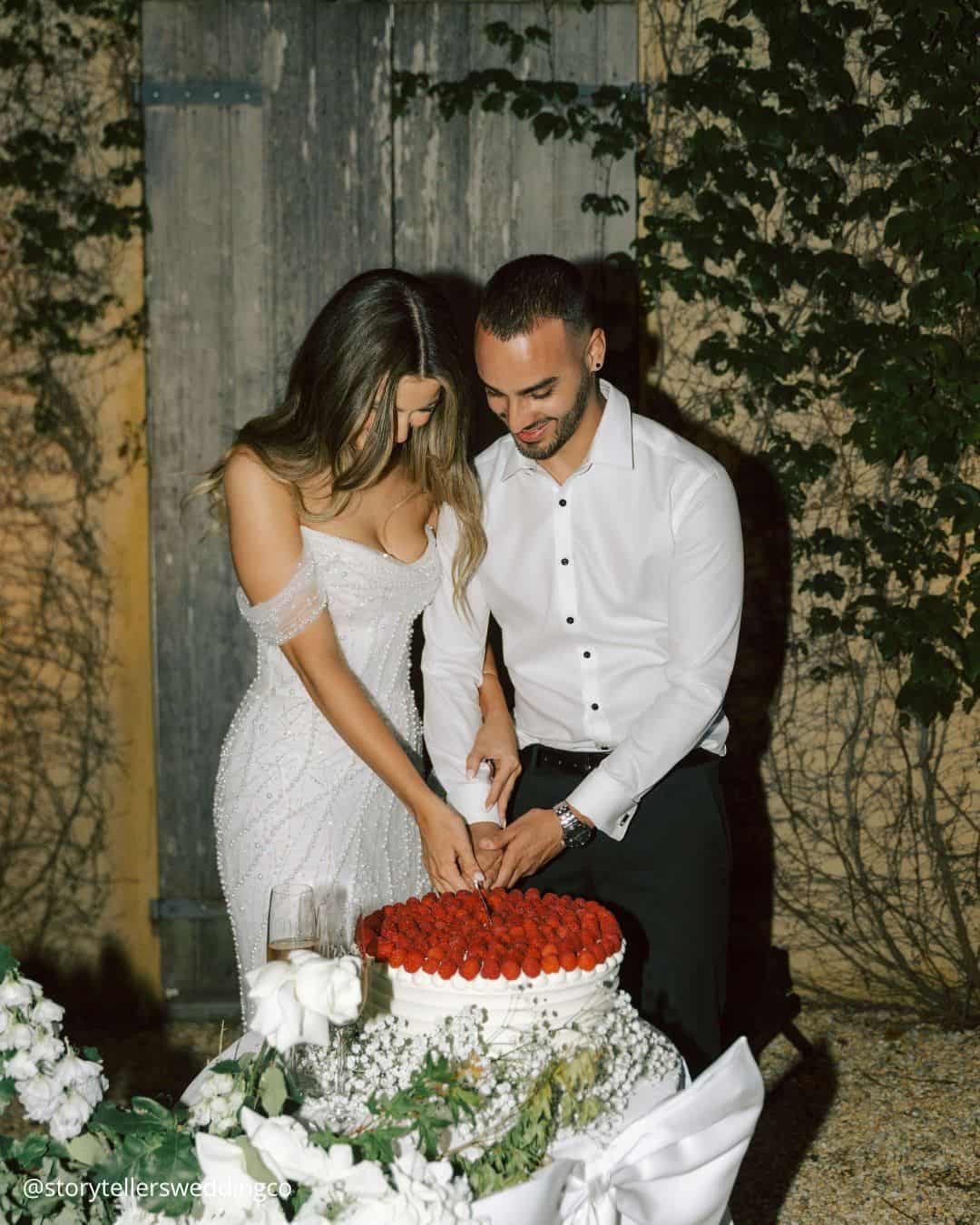
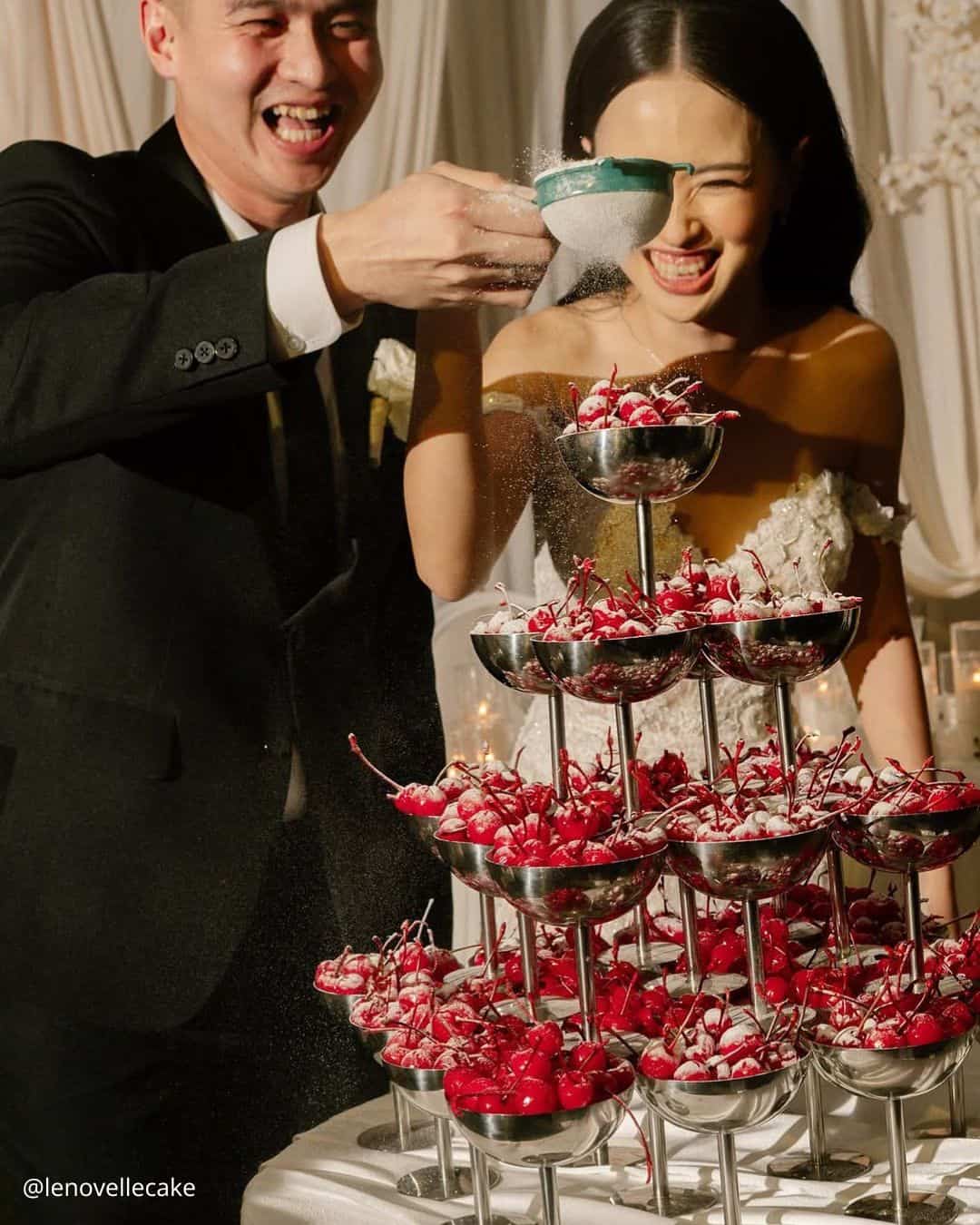
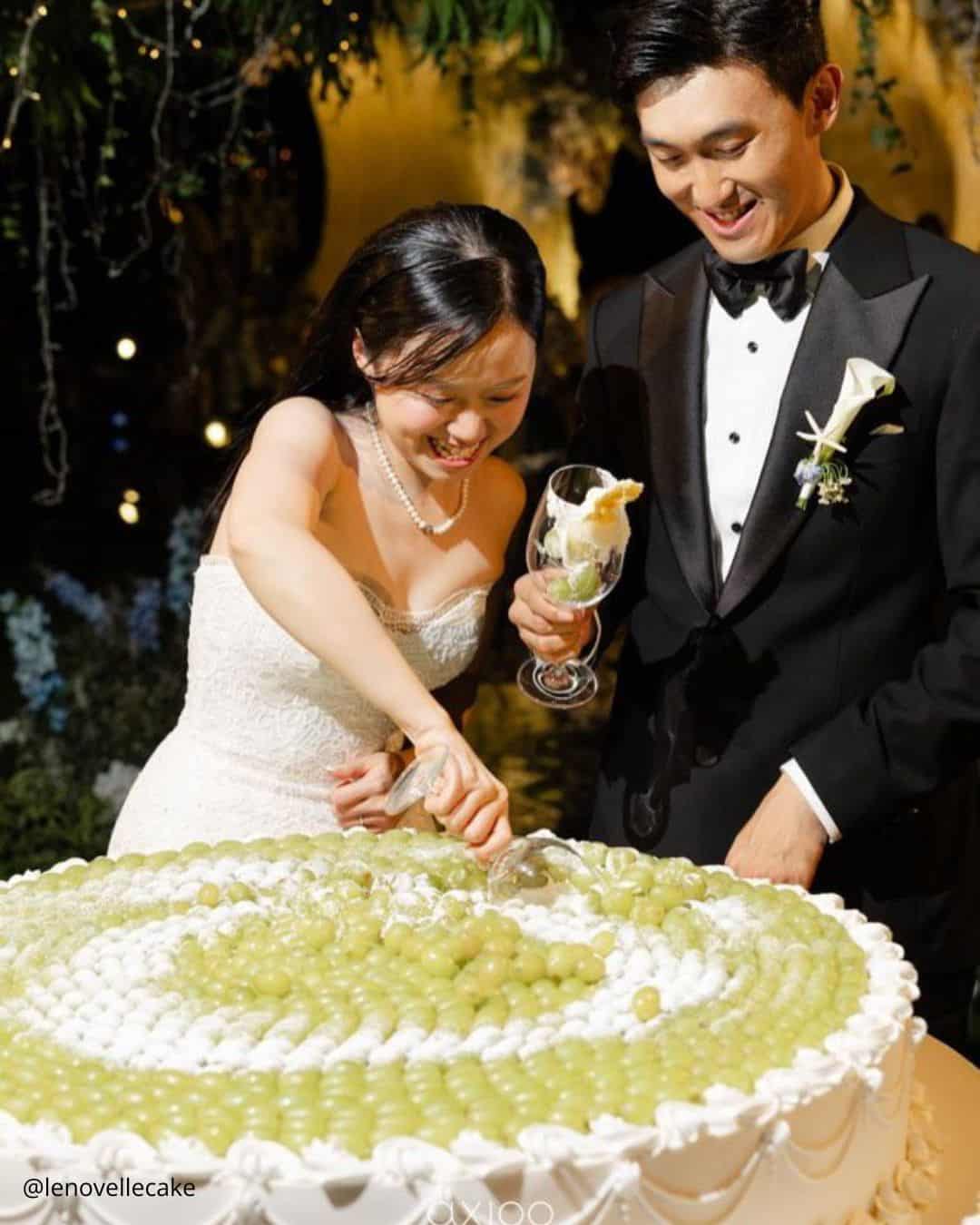
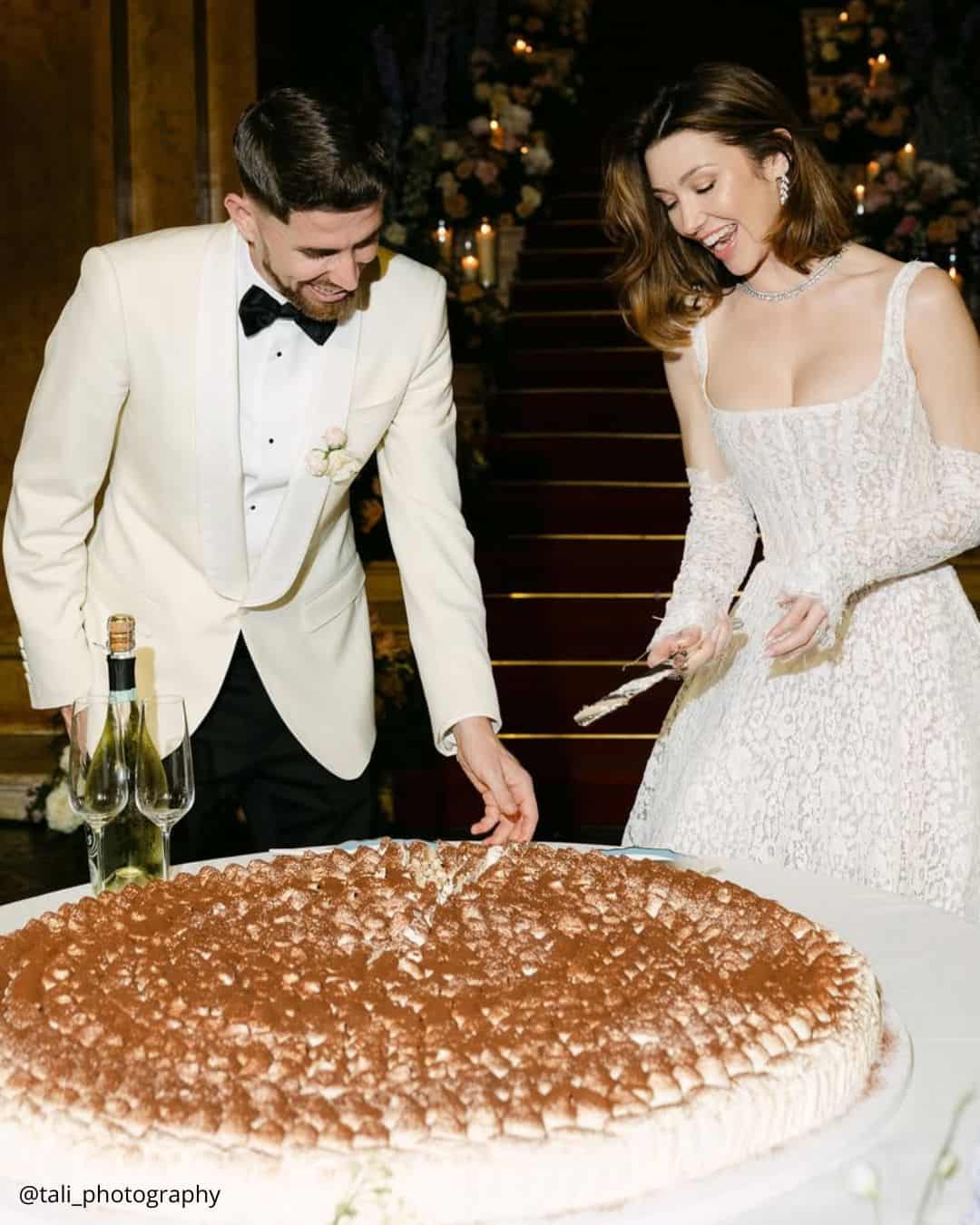
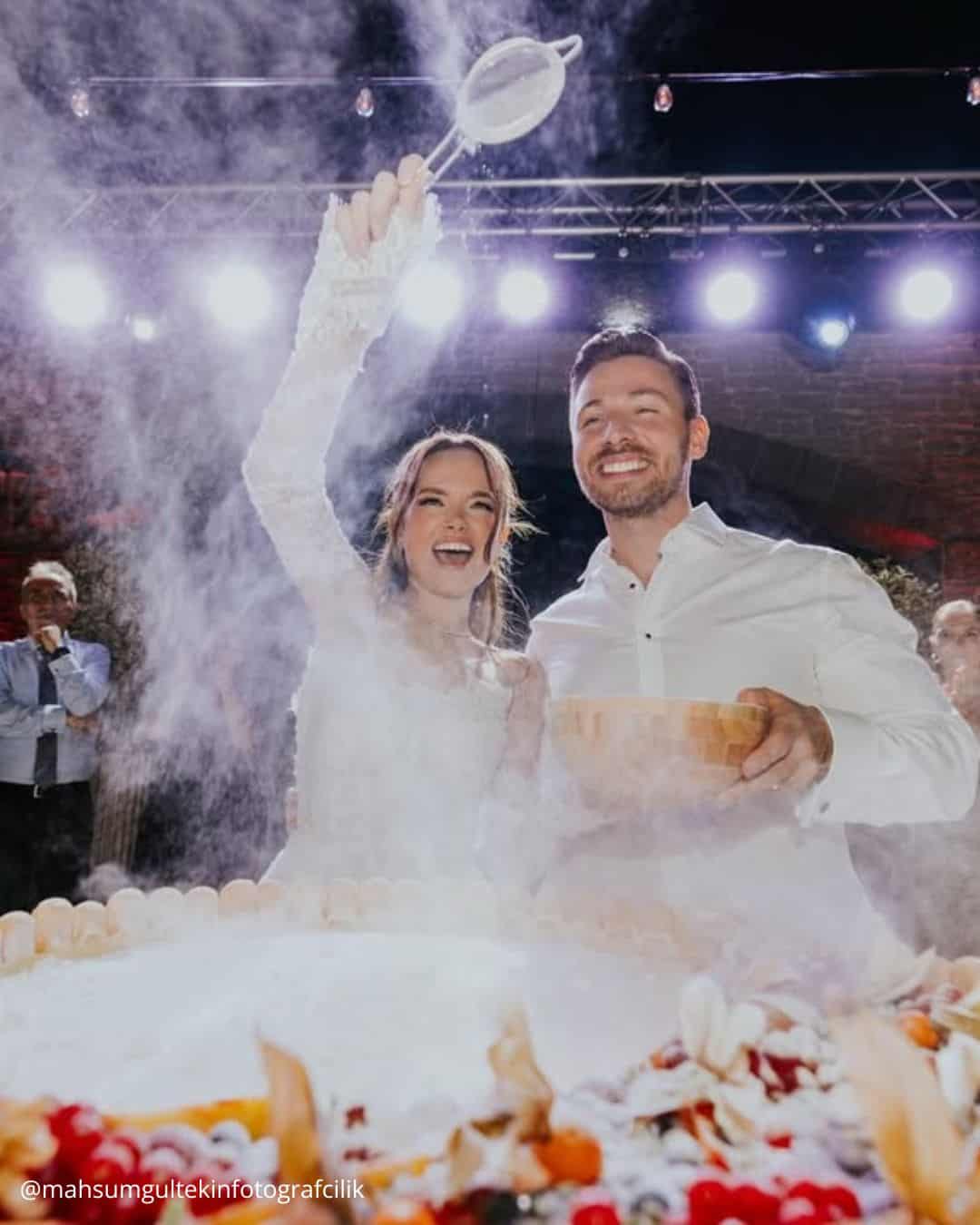
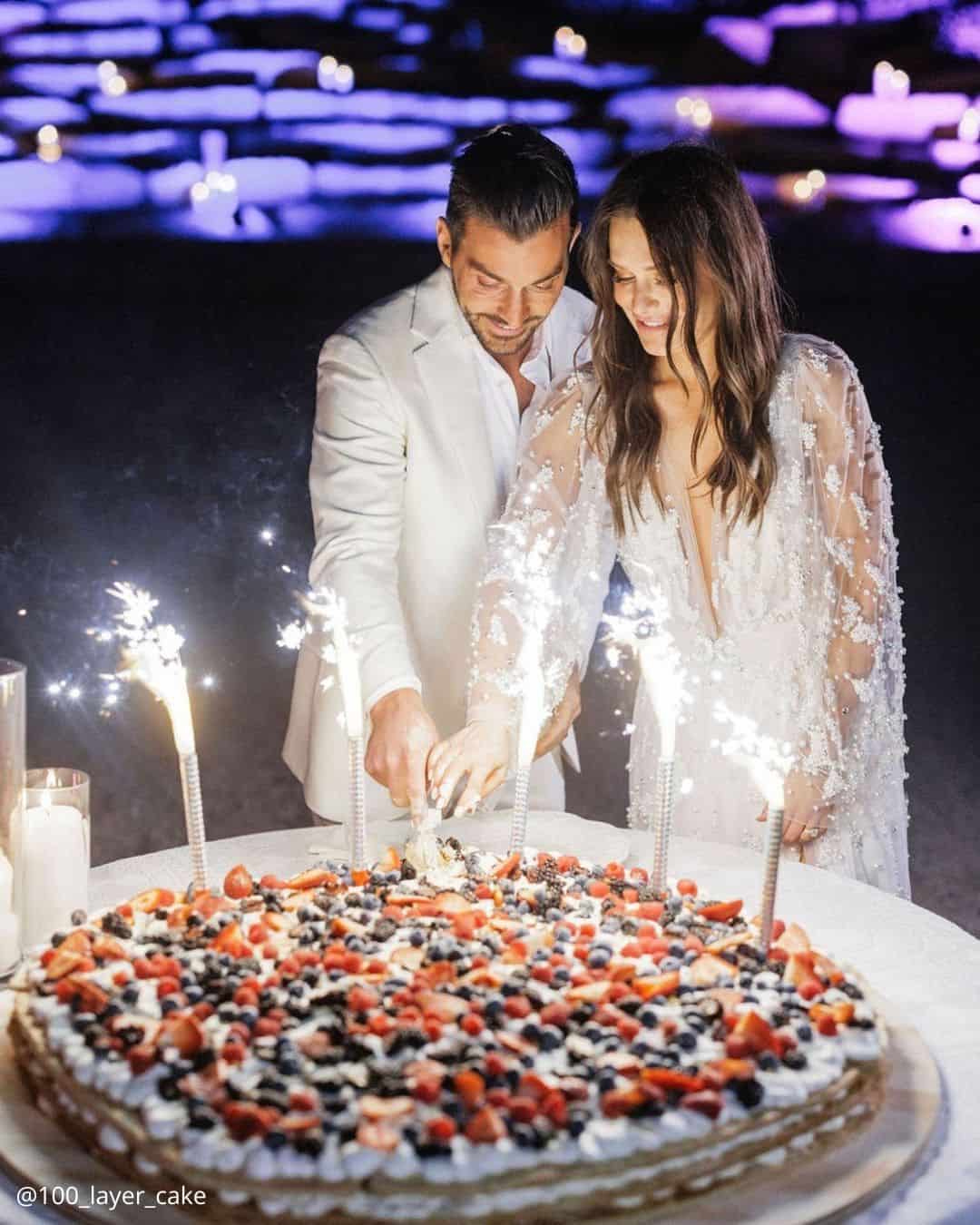
Turn your cake cutting into something truly interactive by decorating your millefoglie together as newlyweds. This endearing Italian tradition invites couples to personalize their dessert while guests look on and cheer.
Your baker delivers a magnificent millefoglie with plain pastry cream, accompanied by bowls of fresh berries, nuts, chocolate shavings, and edible flowers.
Side by side, you and your partner arrange these toppings artfully, crafting patterns or designs that echo your personalities. This close moment yields gorgeous photo opportunities while symbolizing your shared creative spirit.
The whole ceremony runs about five to ten minutes, after which the finished cake gets served immediately, guaranteeing peak freshness and flavor.
How To Choose Your Italian Wedding Cake?
Selecting your Italian wedding cake recipe shapes the aesthetics and taste journey you will remember forever. The real work lives in the form and the layers, which you will find below.
Choose Your Favorite Form
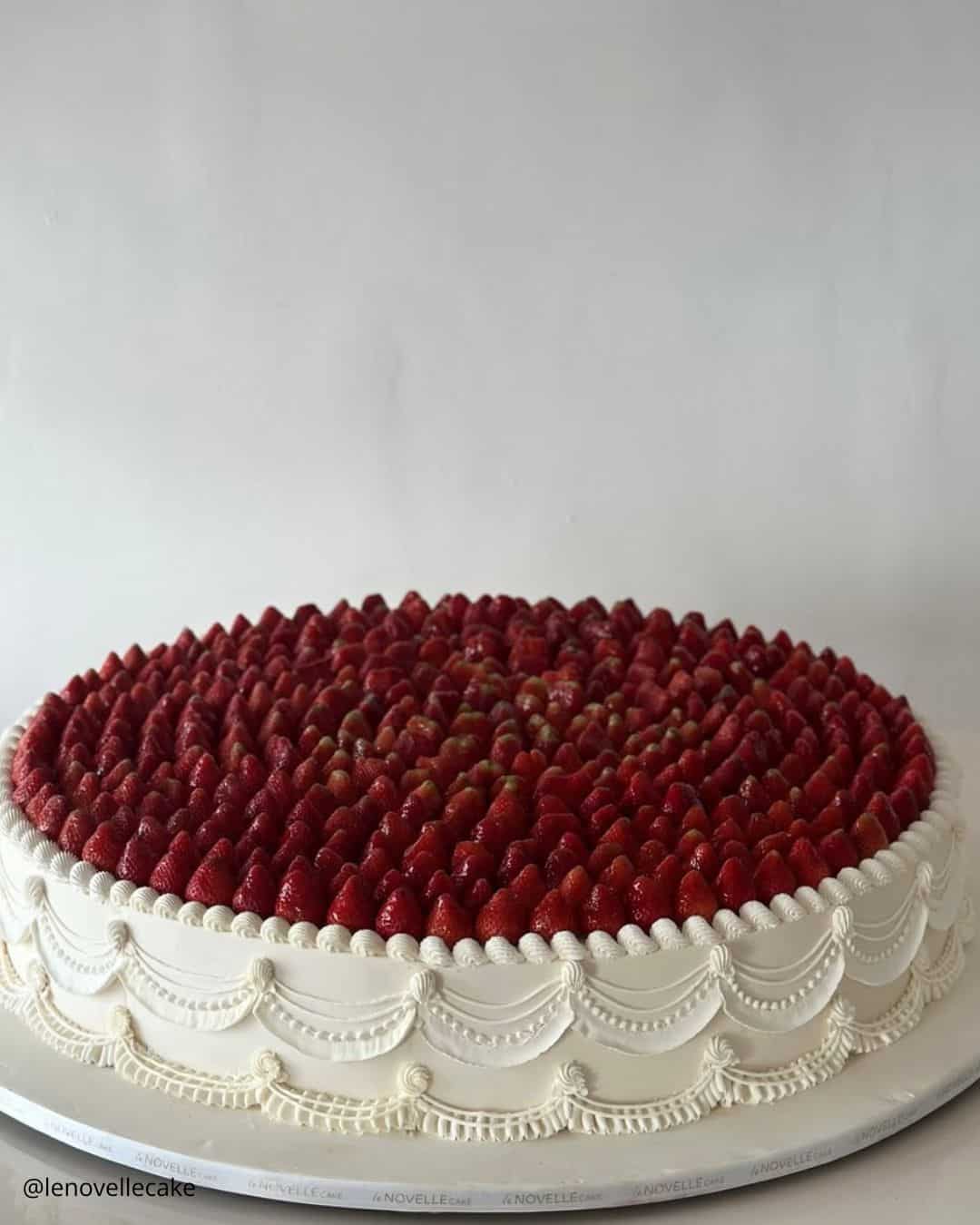
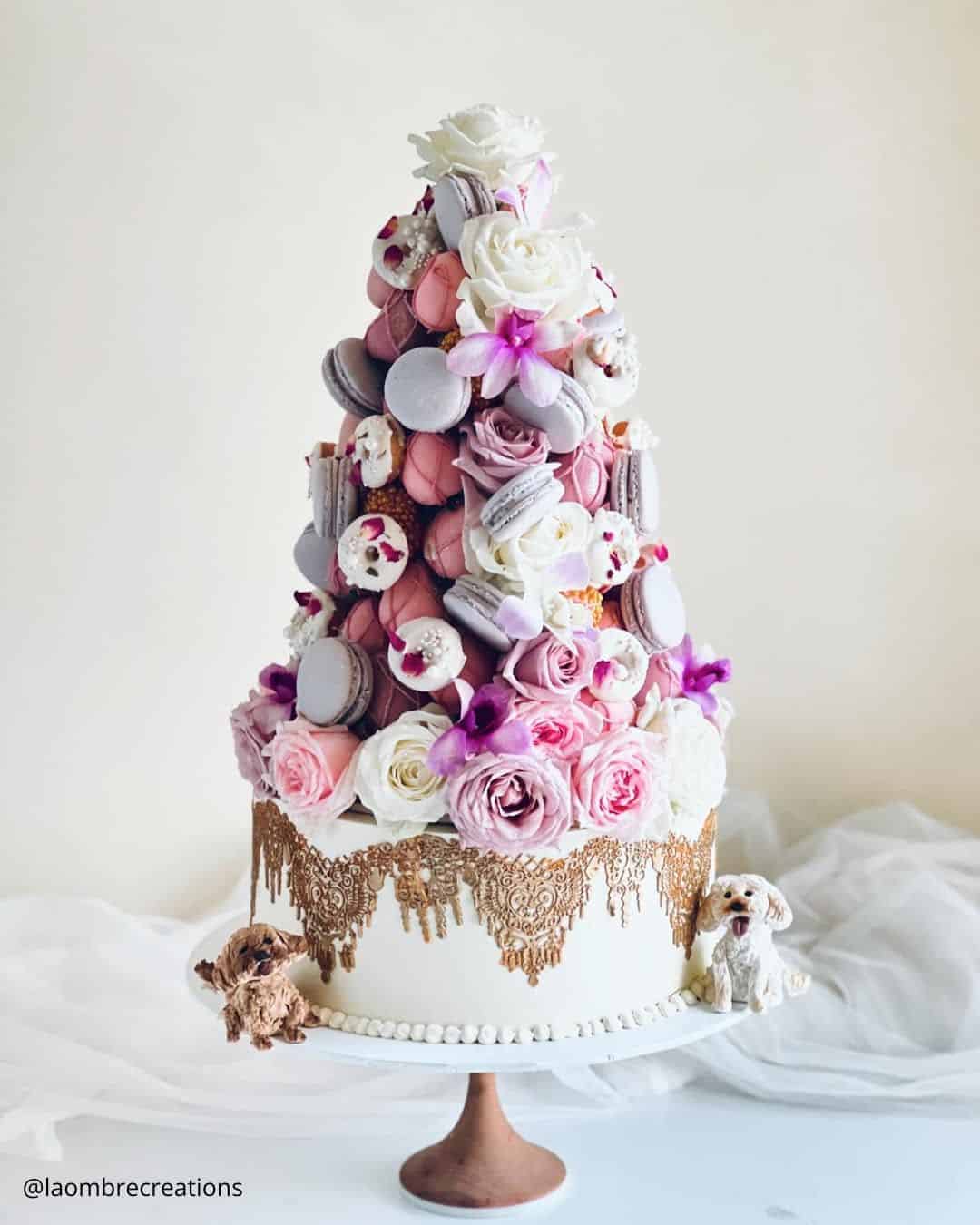
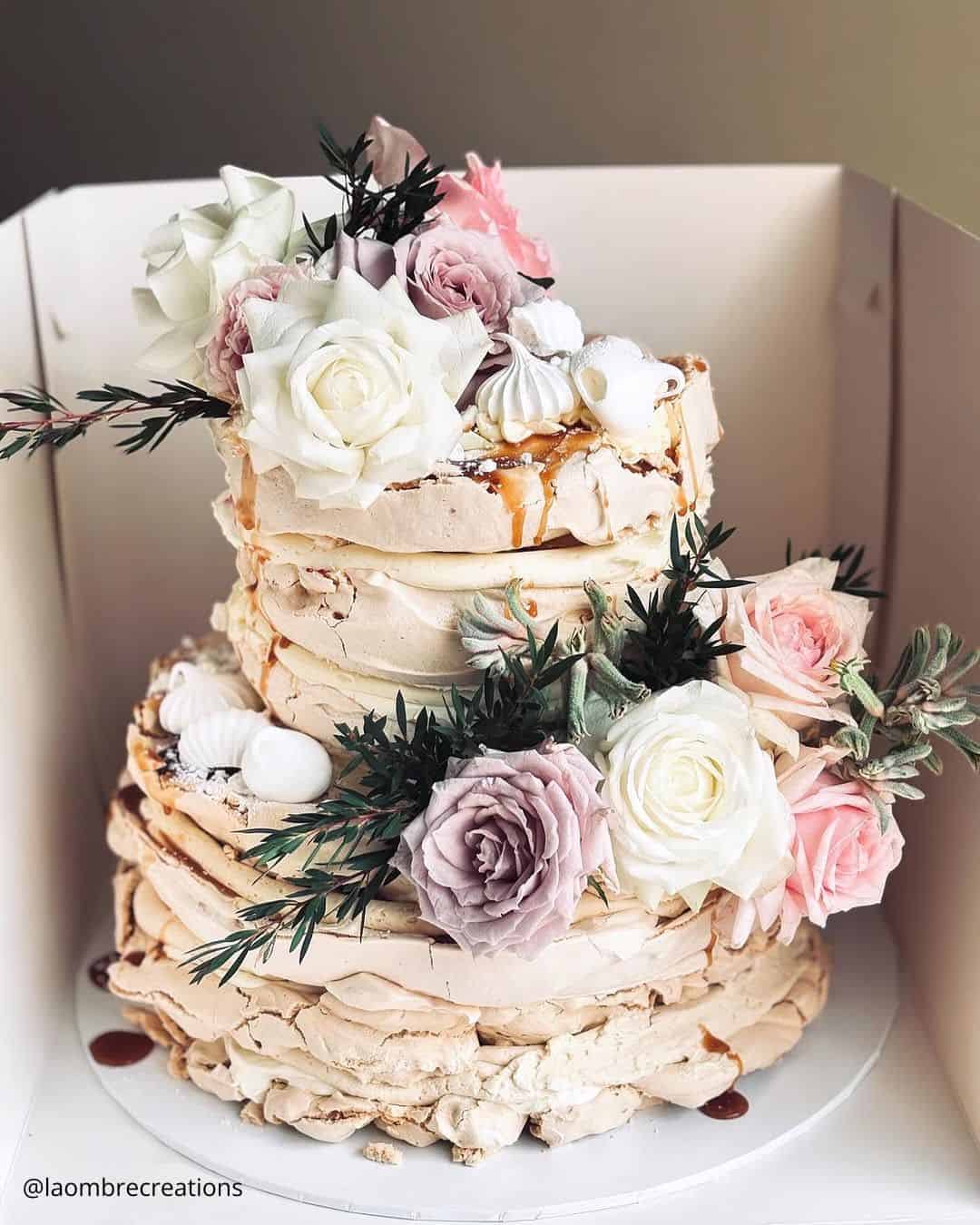
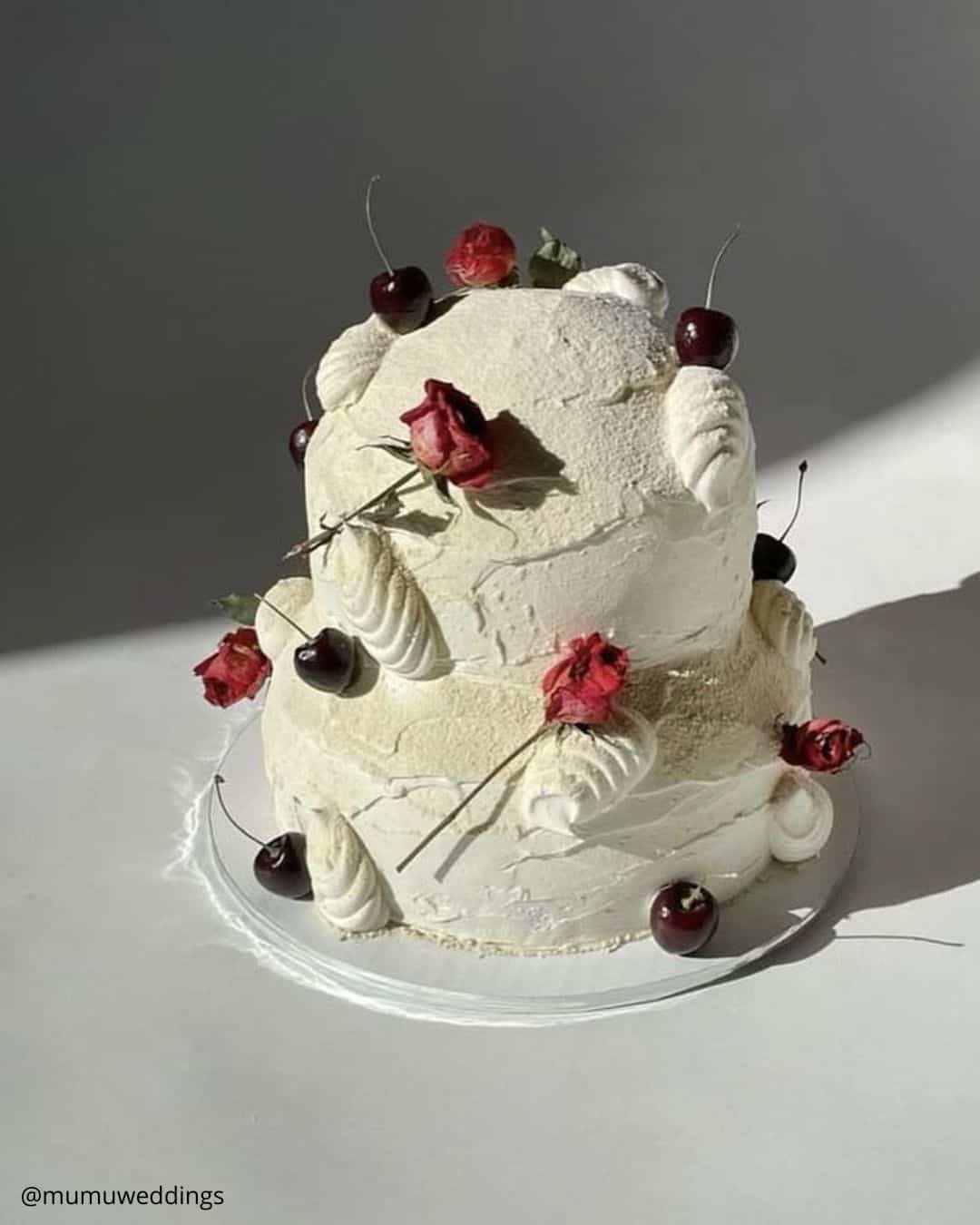
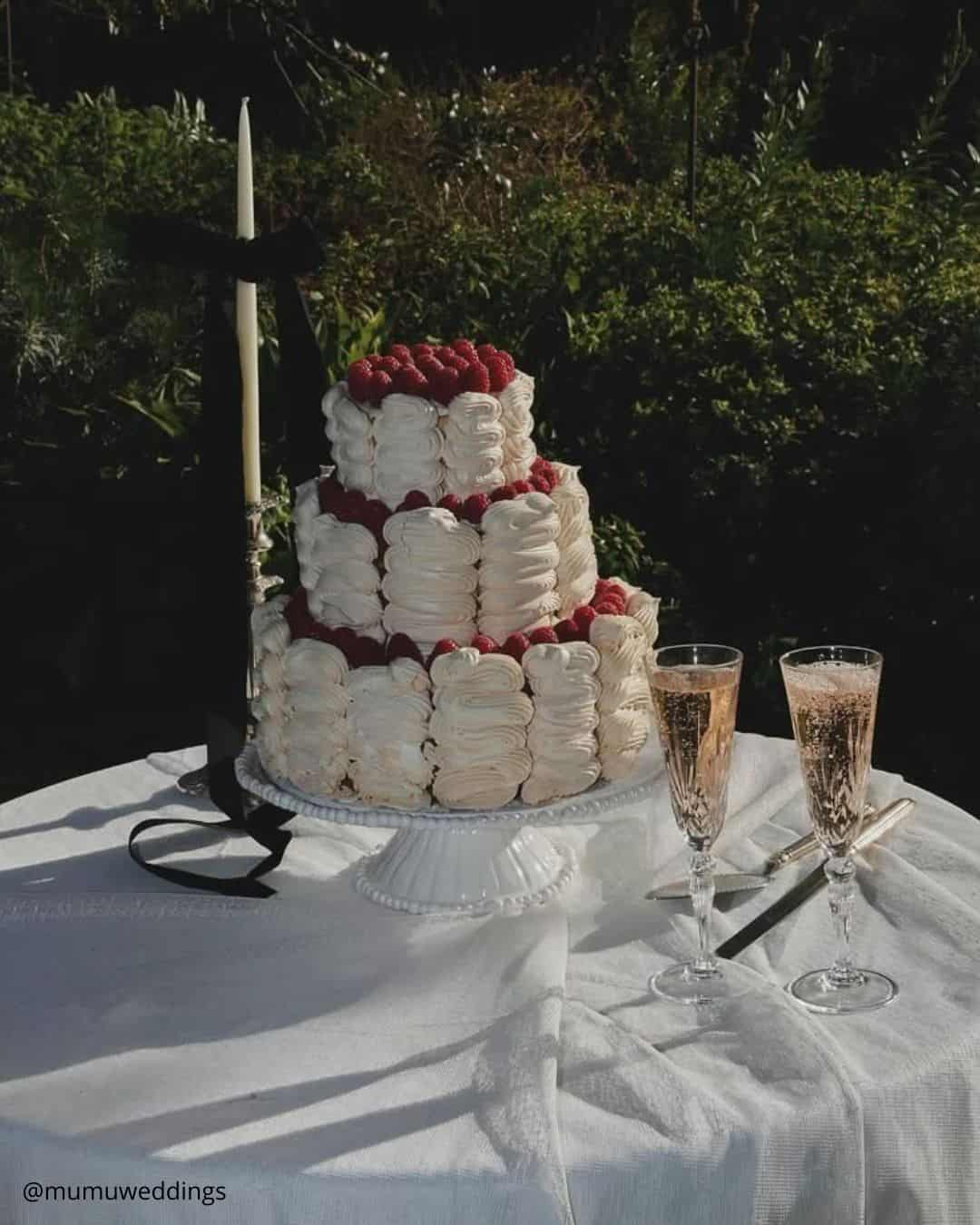
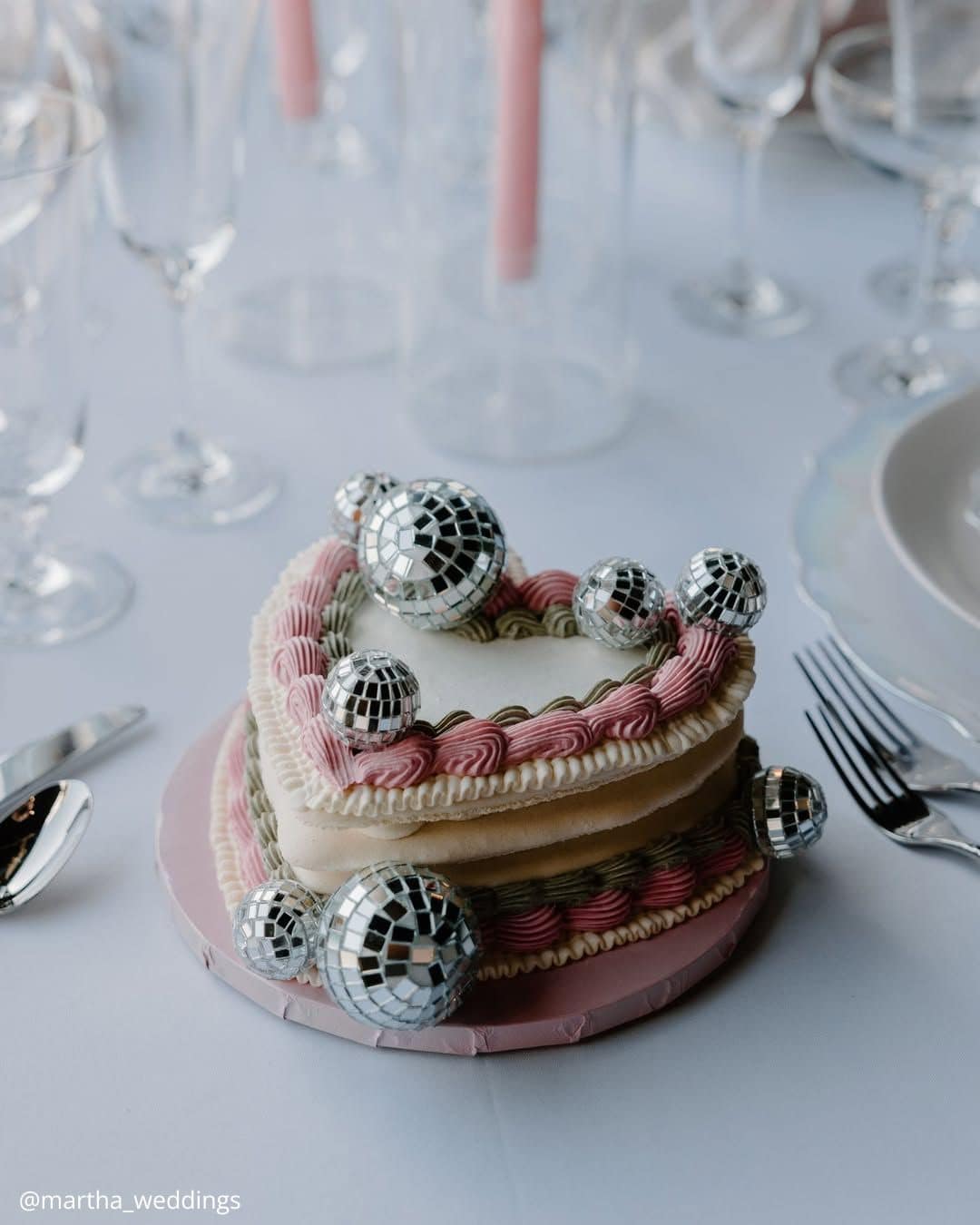
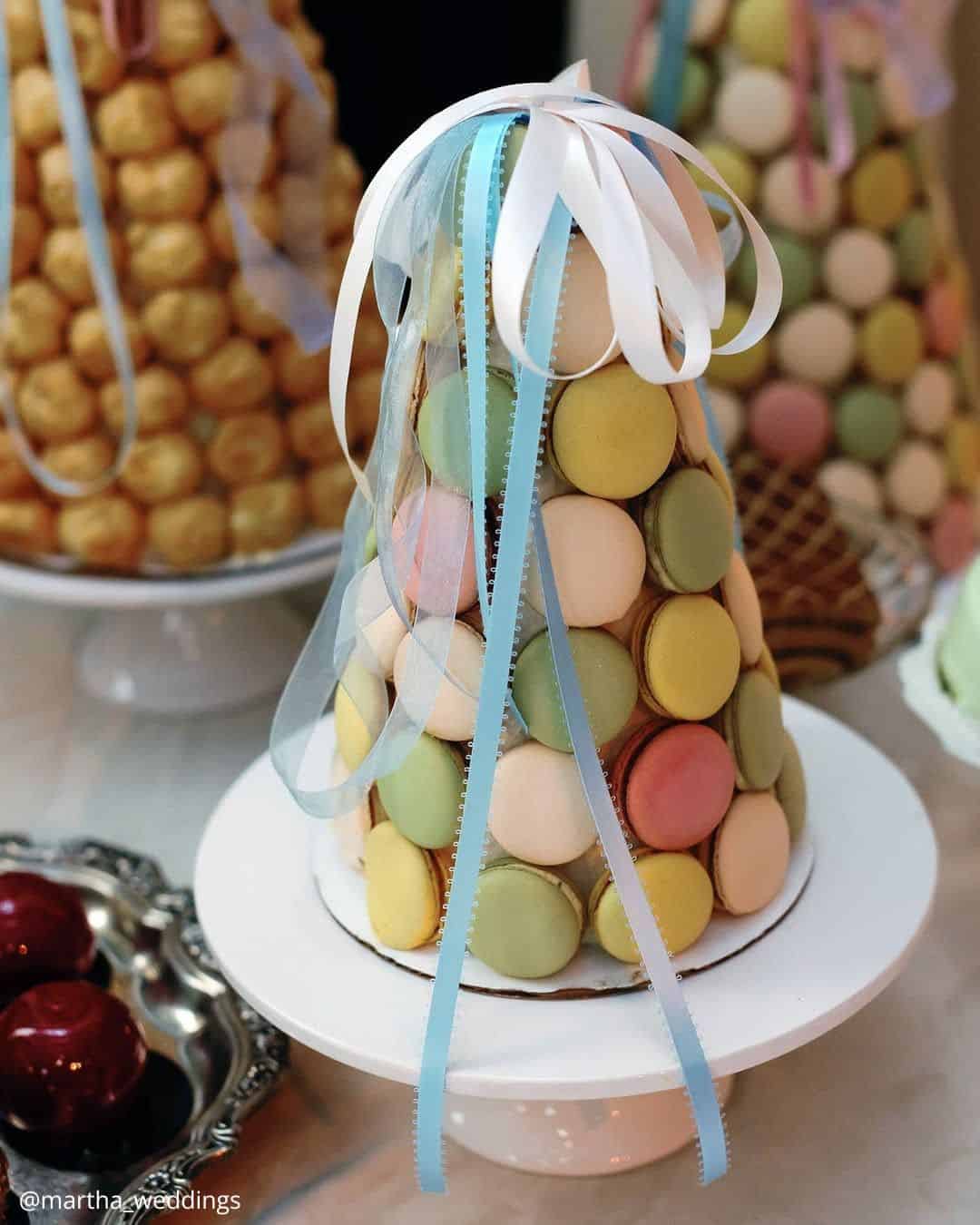
Traditionally, Italian wedding cakes arrive as single-tiered creations, whether square, round, or heart-shaped. The uncomplicated silhouette carries depth and a warm, intimate charm.
Many Italian couples continue to treasure this cake form today.
Steeped in cultural roots, the cake builds on an airy traditional sponge called “Pan di Spagna,” finished with pastry cream or Chantilly cream. Whatever cream you choose can be textured and flavored with chocolate drops, liquor, or fruit.
Fresh fruits or delicate flowers complete the look, guided by your wedding theme.
Layers
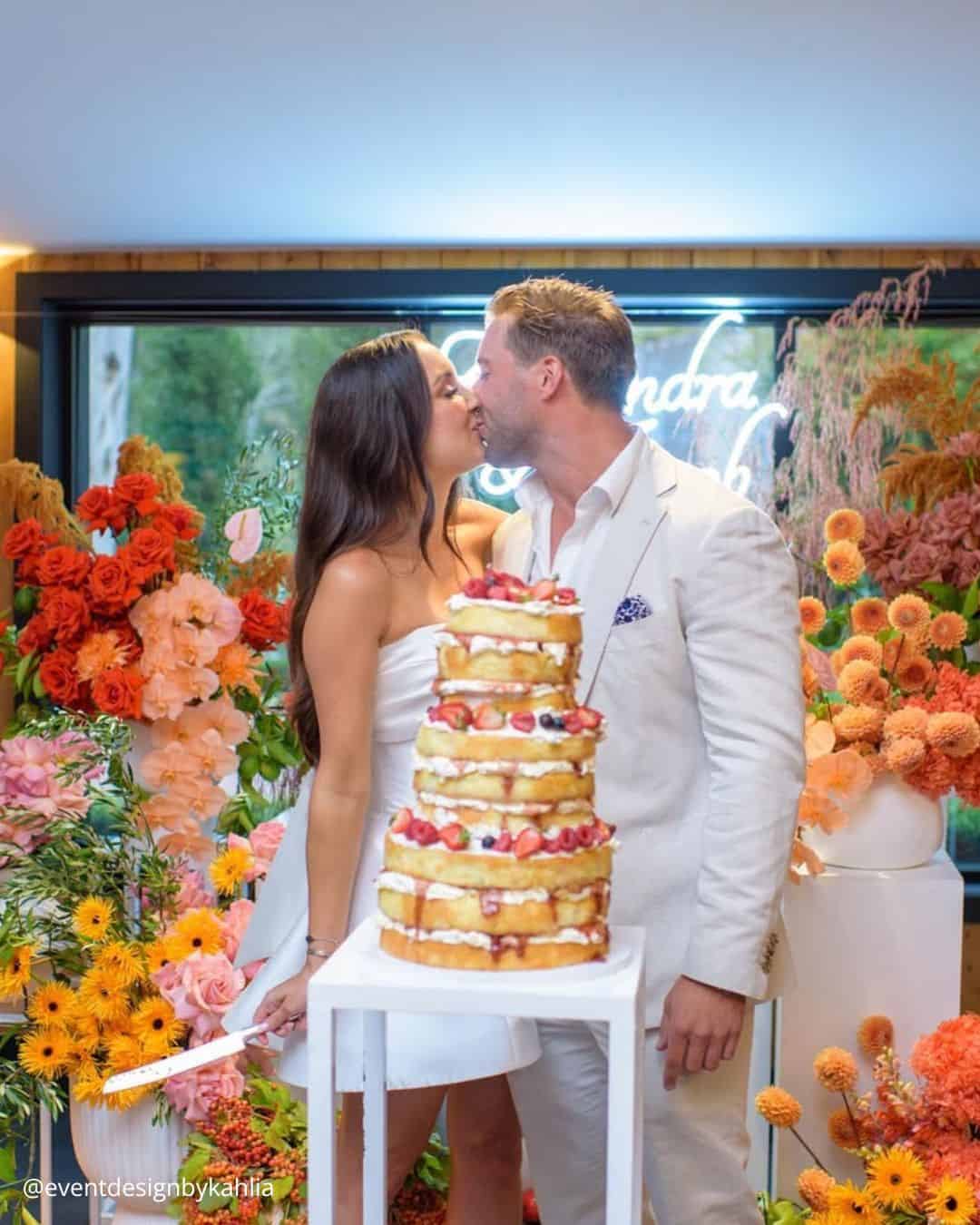
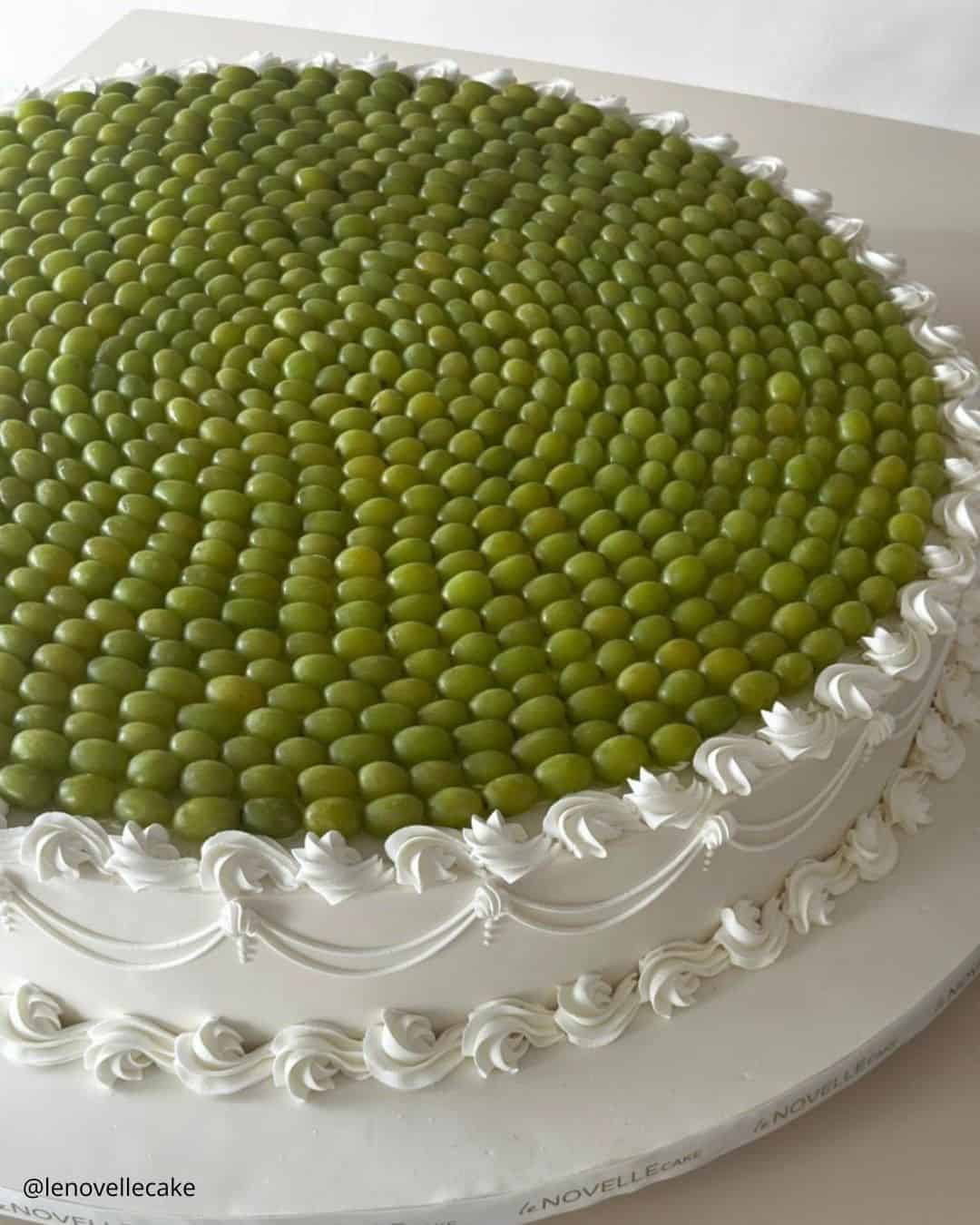
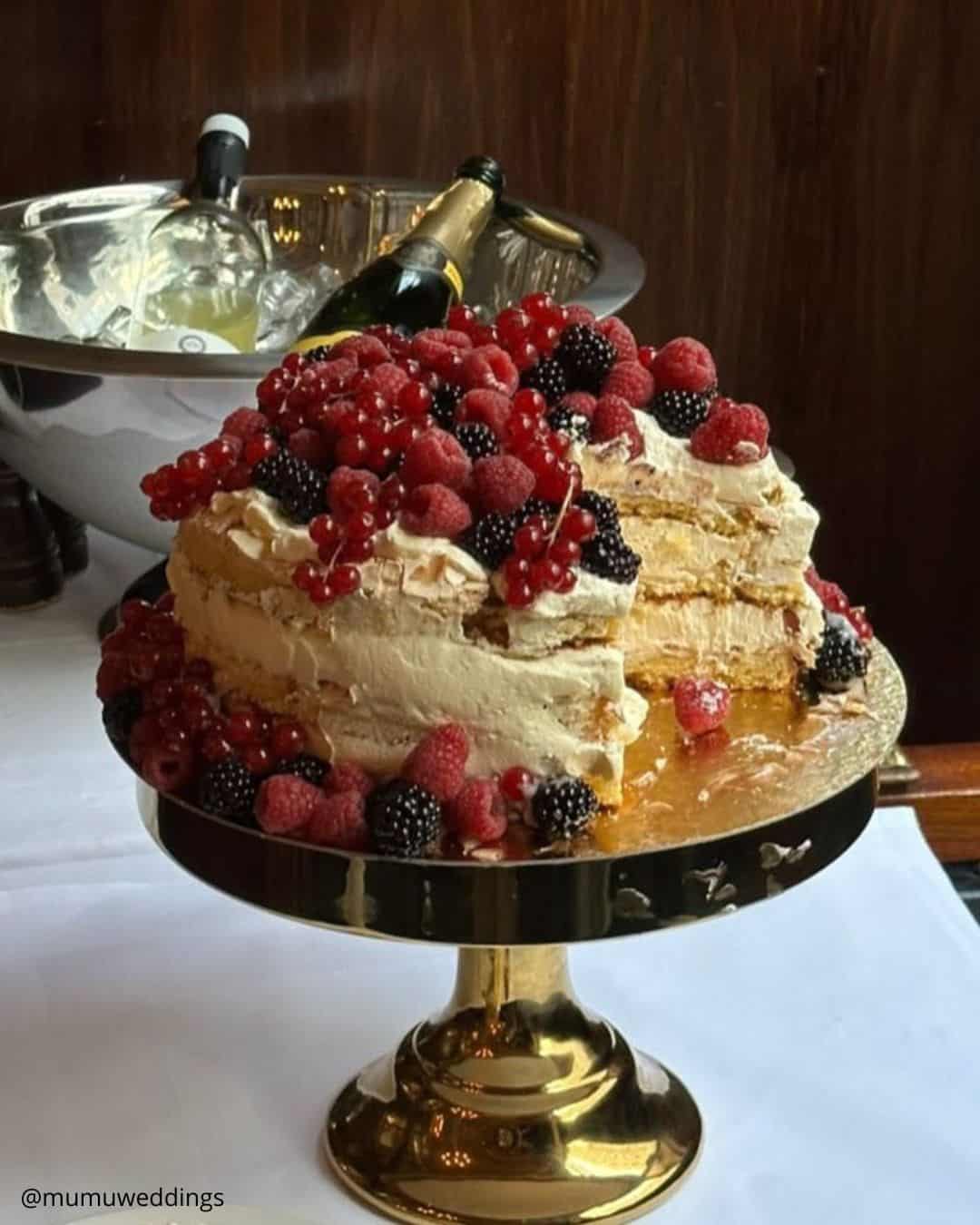
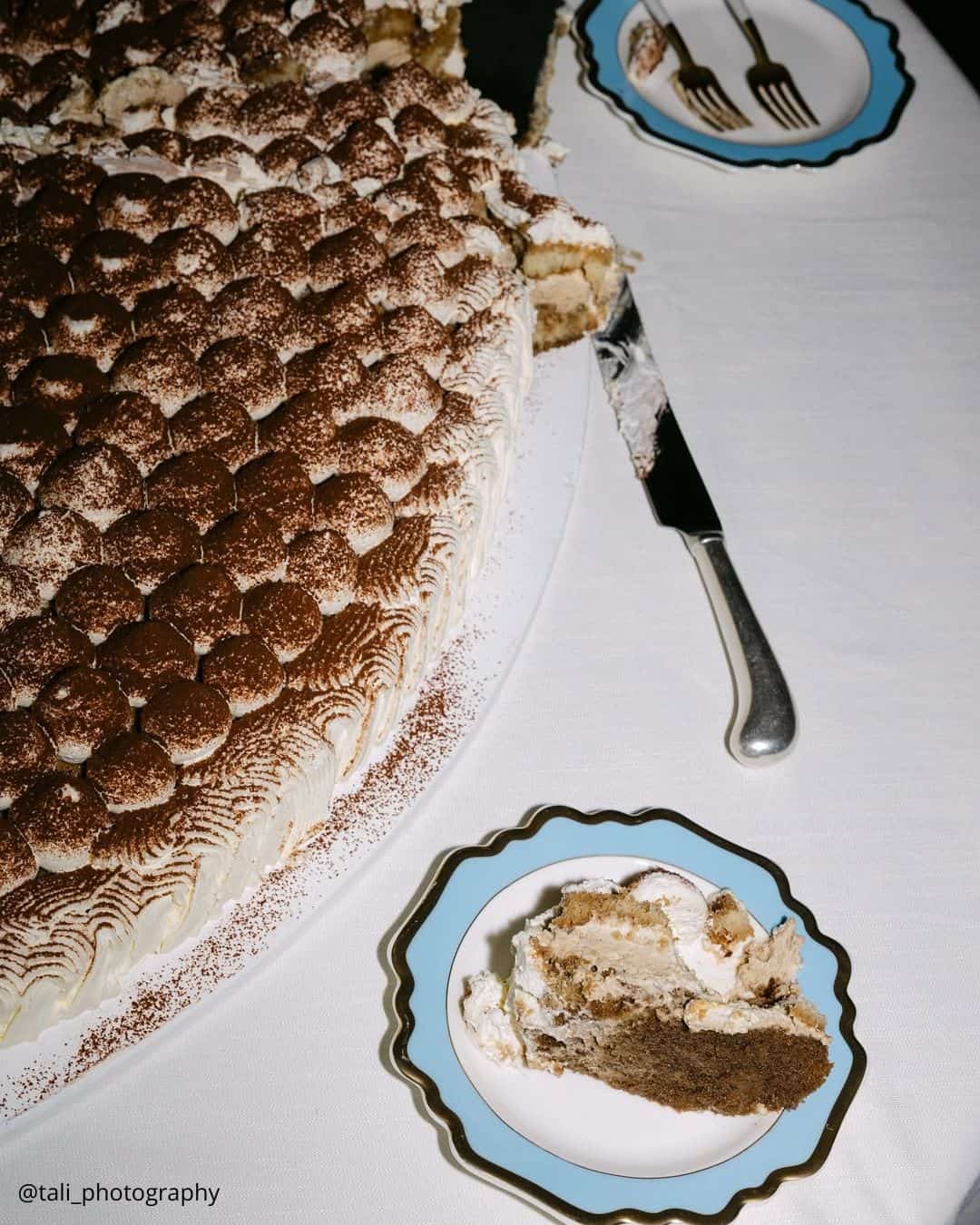
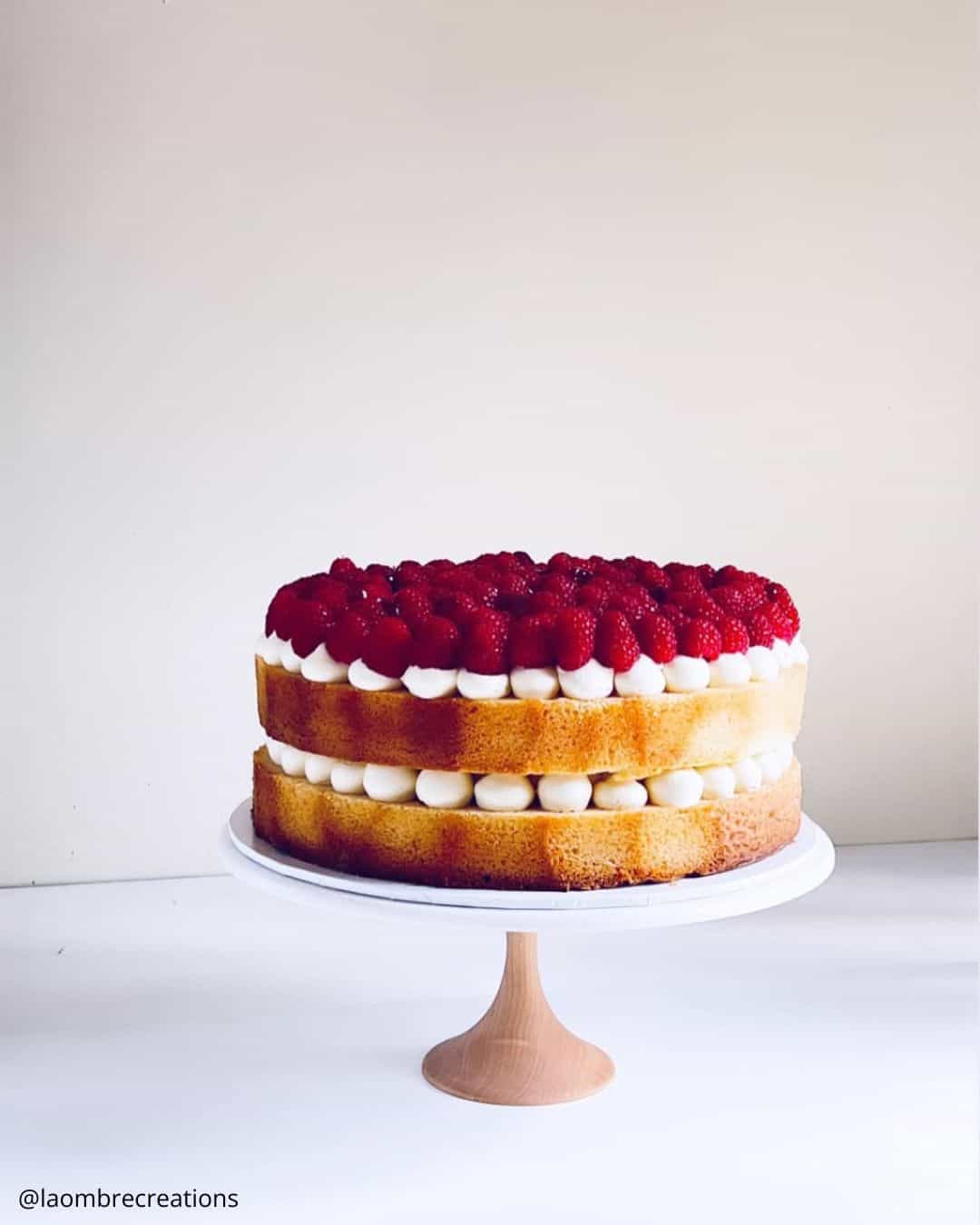
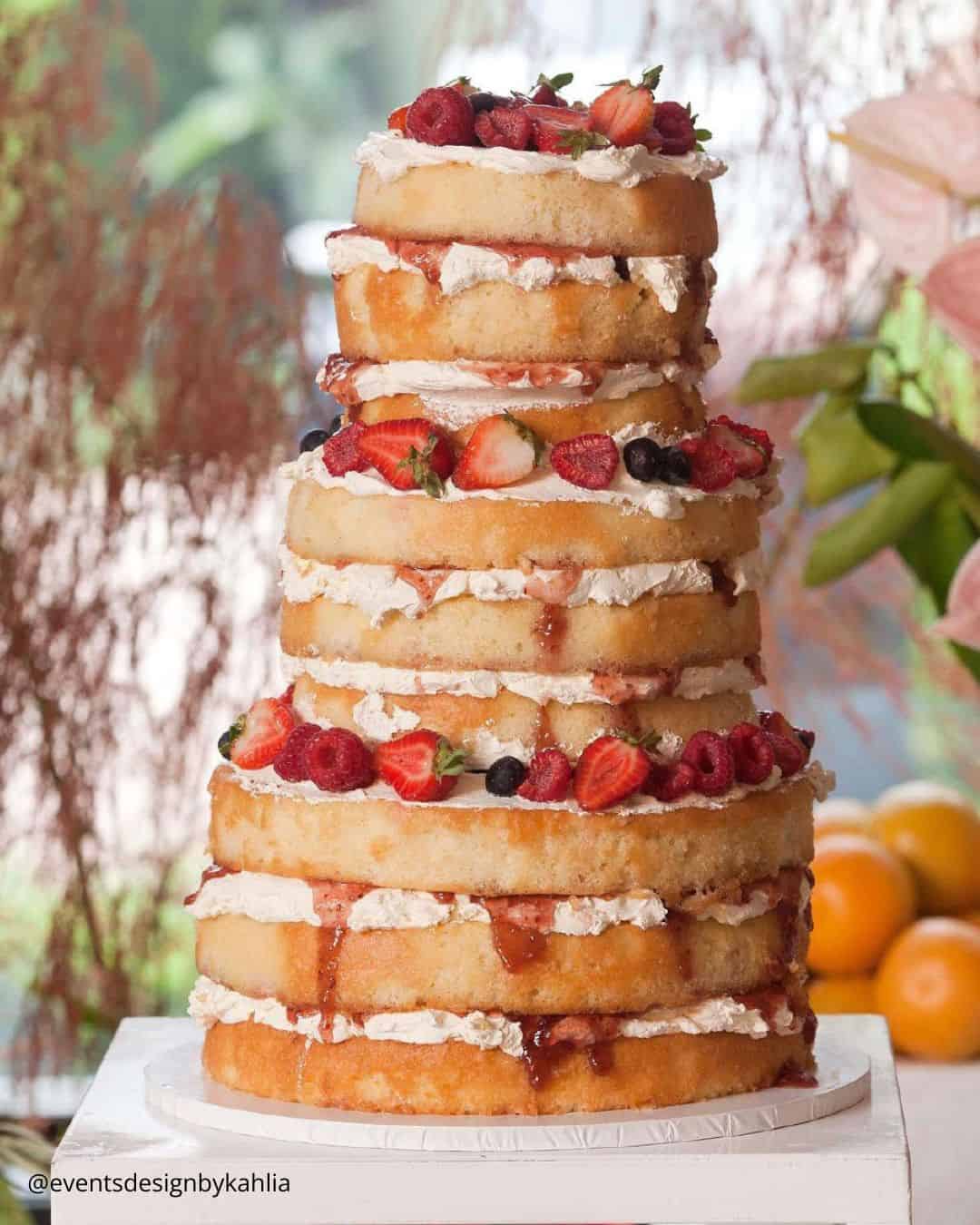
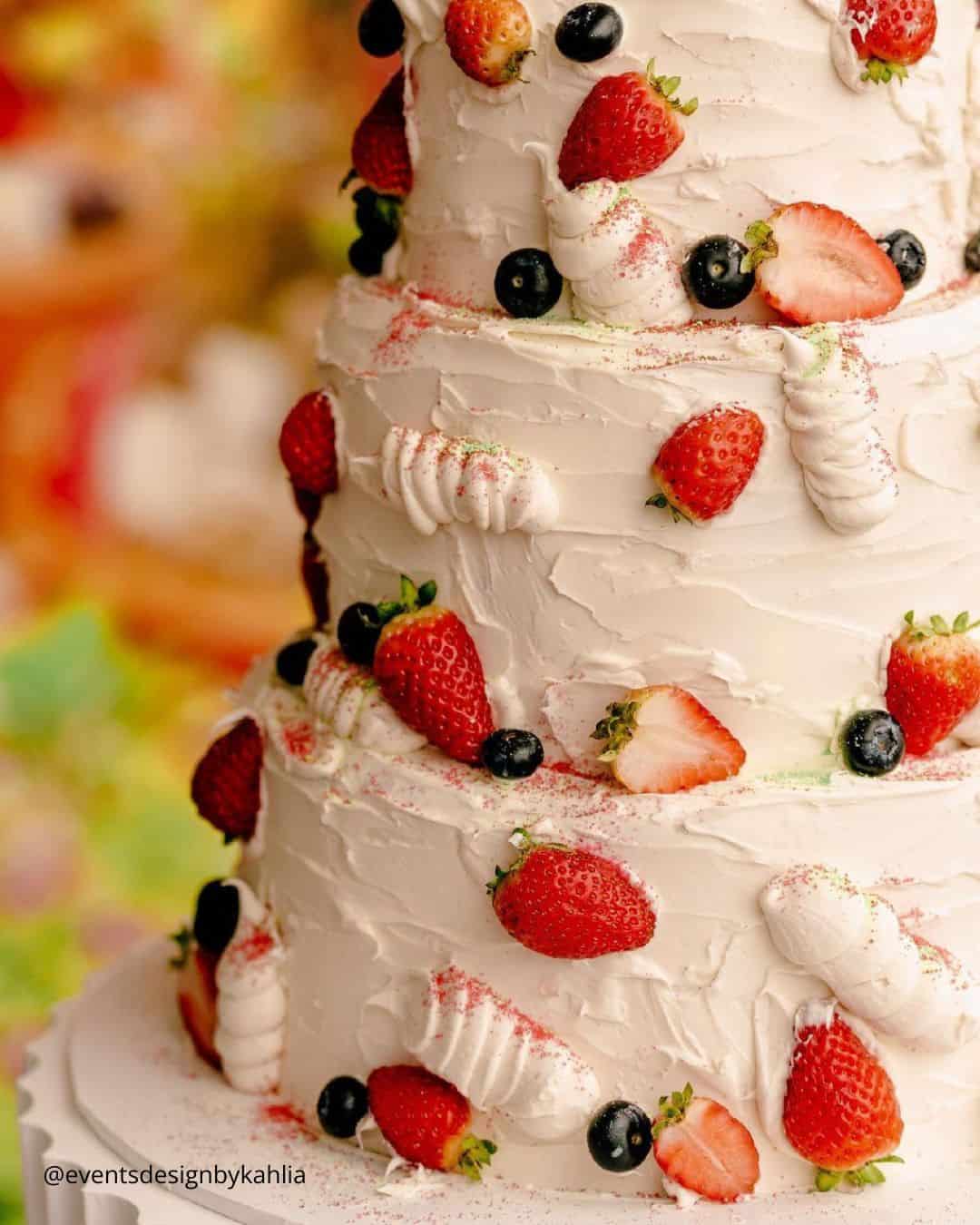
Discussing layers in Italian wedding cakes brings Millefoglie instantly to mind. This cake stands as the pinnacle dessert for a rustic wedding, radiating natural, earthy magnetism.
It claims its spot proudly among the finest naked cakes.
Other naked cakes that rival it include champagne layers, chocolate with berries, caramel layer, unfrosted carrot, lemon curd cakes, and many others. Aptly nicknamed “thousand layers,” its fame flows from what lies inside.
Millefoglie forms from sheets of crisp, flaky pastry divided by expertly piped cream.
Fresh mint, berries, or flowers provide the perfect finishing touch. This cake proves notably difficult to slice, so serving takes longer than with standard cakes.
Italian wedding cakes capture the heart of couples drawn to luxury, intimacy, and deep-rooted tradition. Whether your taste leans simple or extravagant, something exists that fits perfectly.
From the celebrated Millefoglie to varied layers, forms, and endless inspiration, let these ideas spark your imagination.