

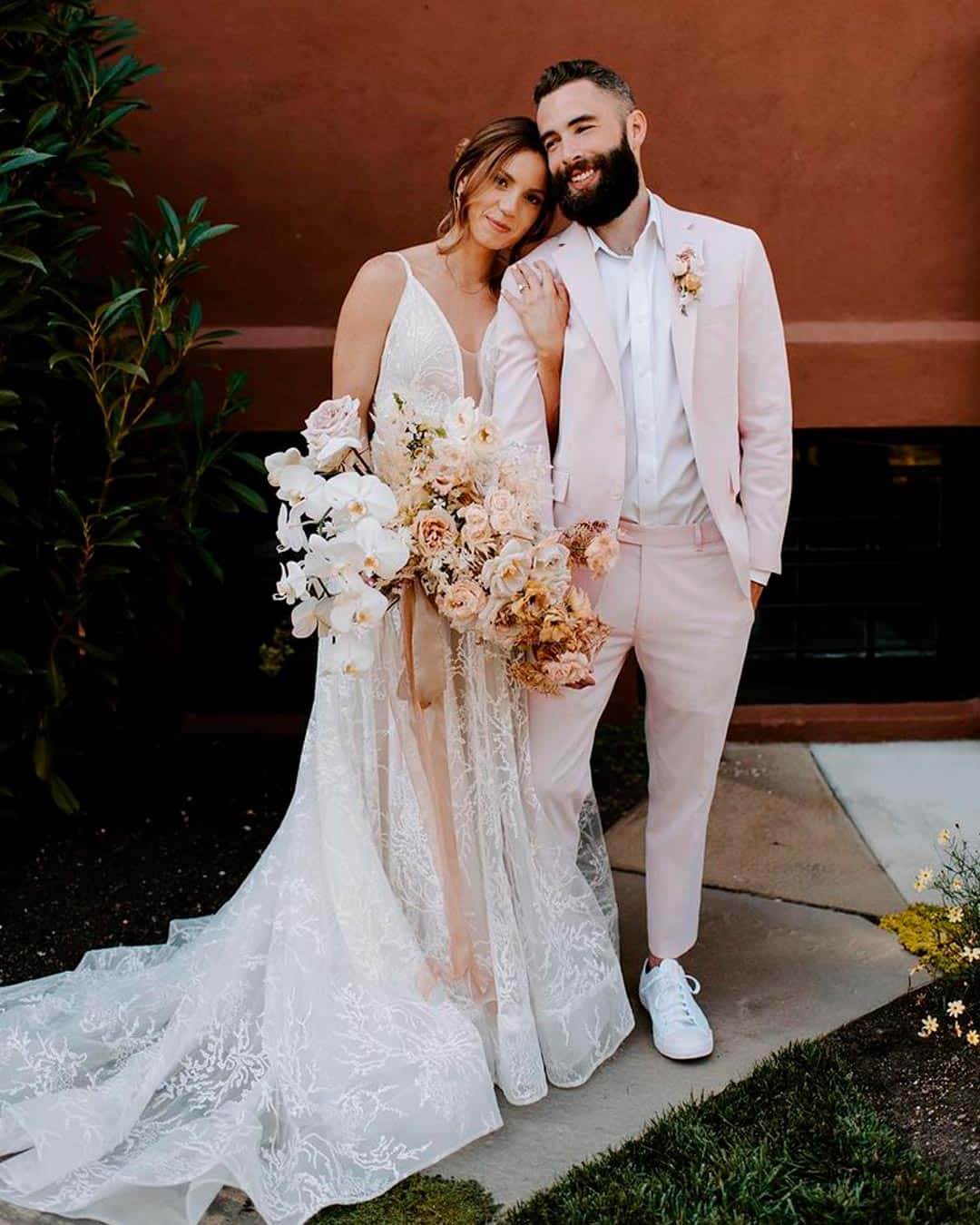
Most people carry around a rough mental picture of what a wedding looks like, usually shaped by movies and magazines. But honestly, no two weddings are ever the same.
There’s a whole universe of wedding styles out there, and every couple pours their heart into making theirs feel completely one of a kind.
Location, faith, blended traditions, design aesthetics, personal preferences. All of these pieces make pinning down your exact wedding type equal parts exciting and overwhelming.
Are you dreaming of something romantic and enduring? Open air or a grand ballroom?
Do you want to weave layers of your heritage into every moment of the ceremony, or keep the whole affair wonderfully low key and intimate? Wrestling with those kinds of questions can genuinely guide you toward one of the wedding categories waiting for you just below.
Most Popular Wedding Types
Sure, plenty of couples are pushing boundaries with quirky and unconventional celebrations these days. But a huge number still gravitate toward the elegance and structure of a traditional, formal wedding.
Generally speaking, this vision includes a stunning white gown for the bride and a sharp tuxedo for the groom. Think ceremony inside a church or another sacred space, followed by a reception that features a three course plated dinner or buffet.
Groomsmen in polished suits, bridesmaids, ushers, a flower girl, and a page boy all dressed to match the refined tone. The party itself typically unfolds in a grand ballroom, a stately hotel, a castle, a conference hall, or some kind of dedicated event venue.
As for rituals, you can expect the classics at these traditional affairs: heartfelt toasts, readings, speeches, the cake cutting, the first dance, plus the mother son and father daughter dances, along with a bouquet toss and garter toss. Every so often something like a handfasting unity ritual, jumping the broom, or a layered sand ceremony gets woven into the proceedings too.
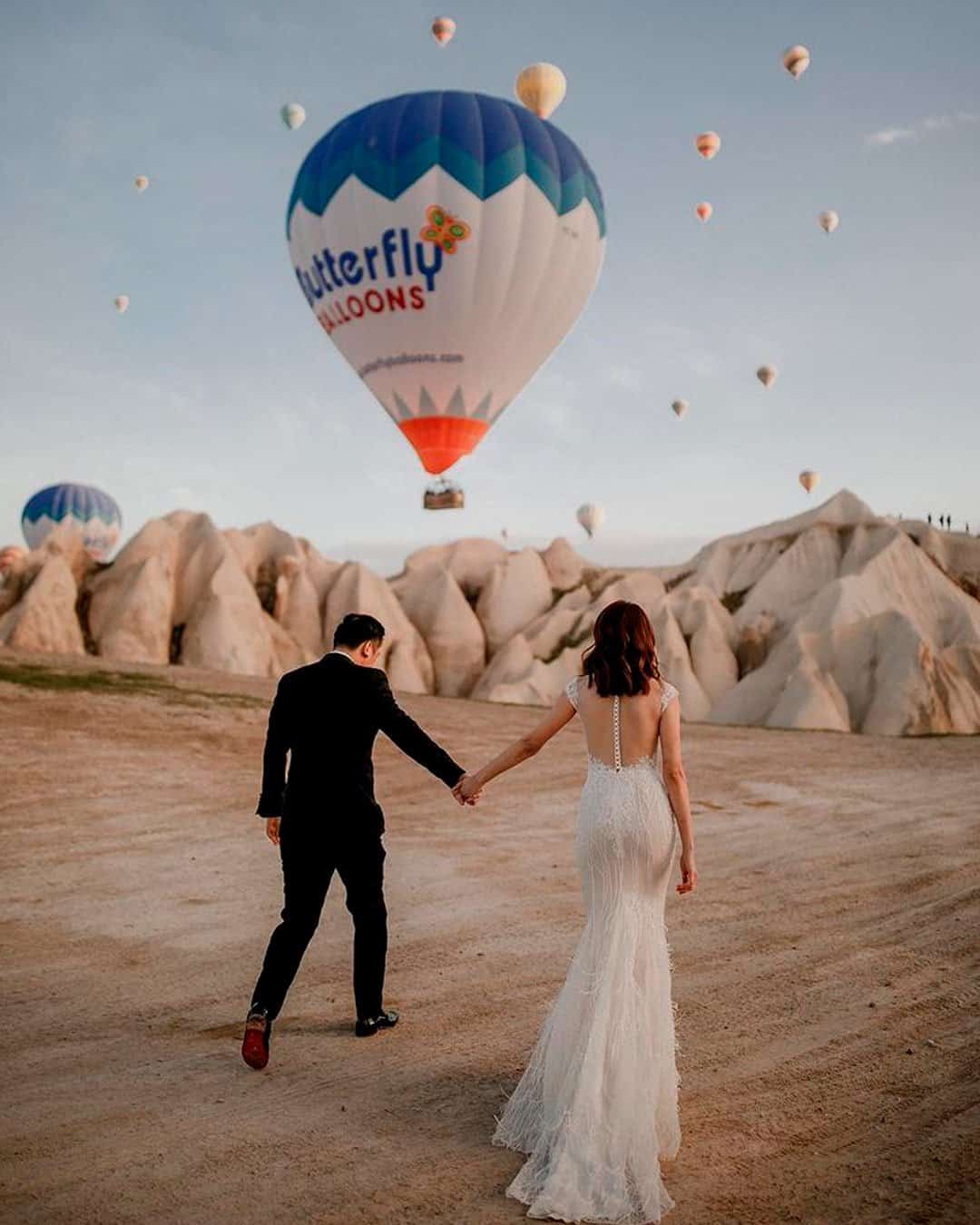
Some couples decide to take their vows in a spot completely separate from their hometown. It might be a new city or an entirely different country, but people choose a destination wedding for a whole mix of personal reasons.
Often a destination celebration strips away a ton of the usual planning chaos because the resort or host location handles and books most of the activities for you. Sometimes it can even be kinder to your bank account since the guest list naturally scales down to close friends and loved ones who can make the trip, and you might roll your honeymoon into the exact same location right after.
A vibe of easy relaxation, plenty of activities, and a breezy unstructured atmosphere defines this style, steering things away from rigid formalities. Couples get to build the whole theme around the energy and scenery of their chosen spot.
Picture sandy shorelines, lush tropical settings, and sun soaked islands that practically beg everyone, including the ceremony itself, to be spontaneous and wonderfully chill.
Still, as dreamy as the idea sounds, it is wise to remember that not every guest can swing the logistics like flights, time off, or even the necessary travel documents to be there with you.
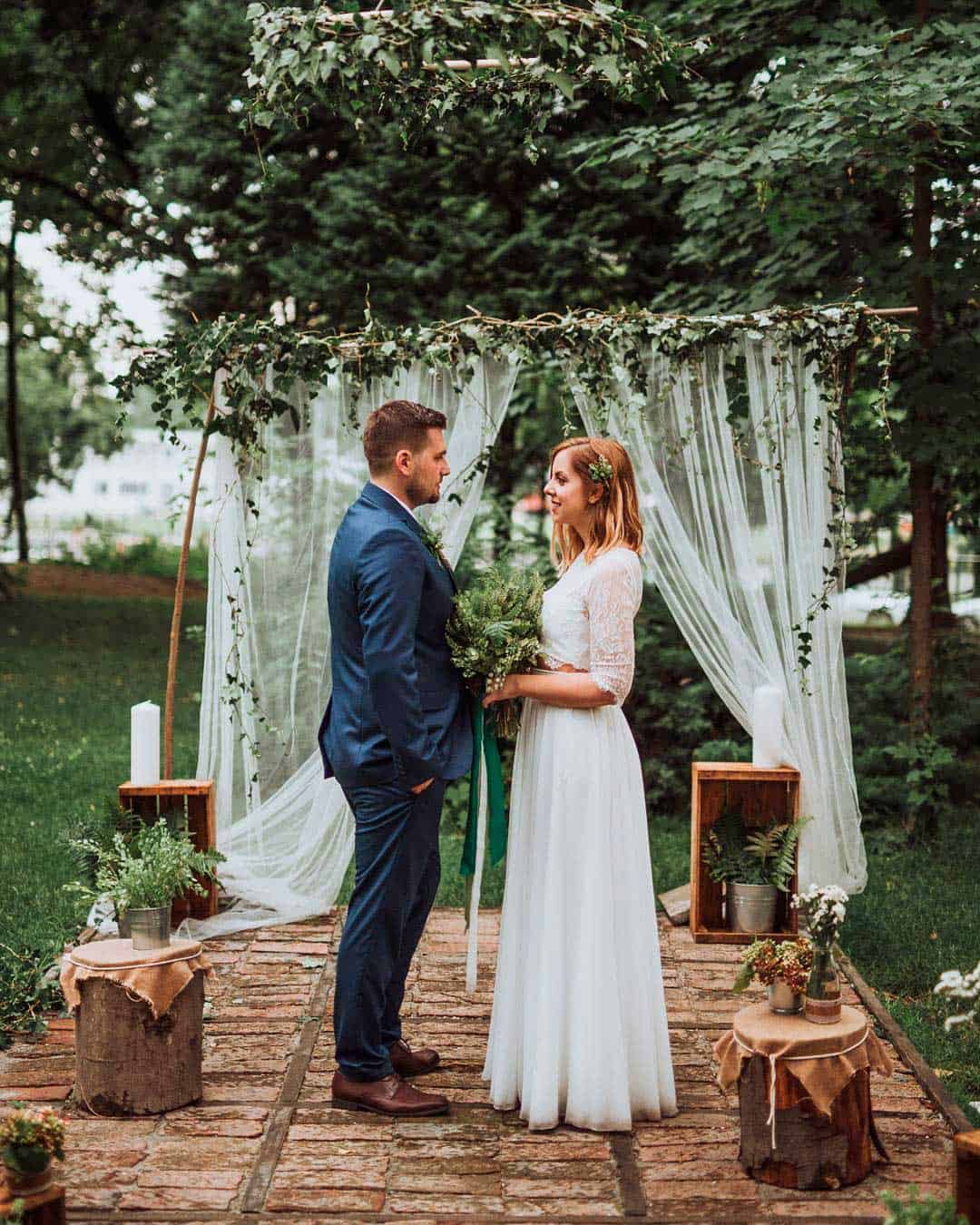
A DIY wedding boils down to a lovingly hands on “Do It Yourself” approach where the couple crafts almost every element from scratch. We’re talking décor, the food, all paper goods, possibly the cake, the entertainment, the bar setup, and the key visual details that shape the entire atmosphere.
This route is a total blessing for any couple working with a tight budget since it allows you to keep spending firmly in check.
While wedding ceremonies come in many flavors, DIY celebrations lean into a smart casual spirit rather than the buttoned up formality of a classic event. The bride might do her own makeup, perhaps with her bridesmaids gathered around to help, while also personally creating all the wedding favors and little decorative touches.
The reception can easily shift into a relaxed dinner or a lively cocktail party depending entirely on what feels right to you.
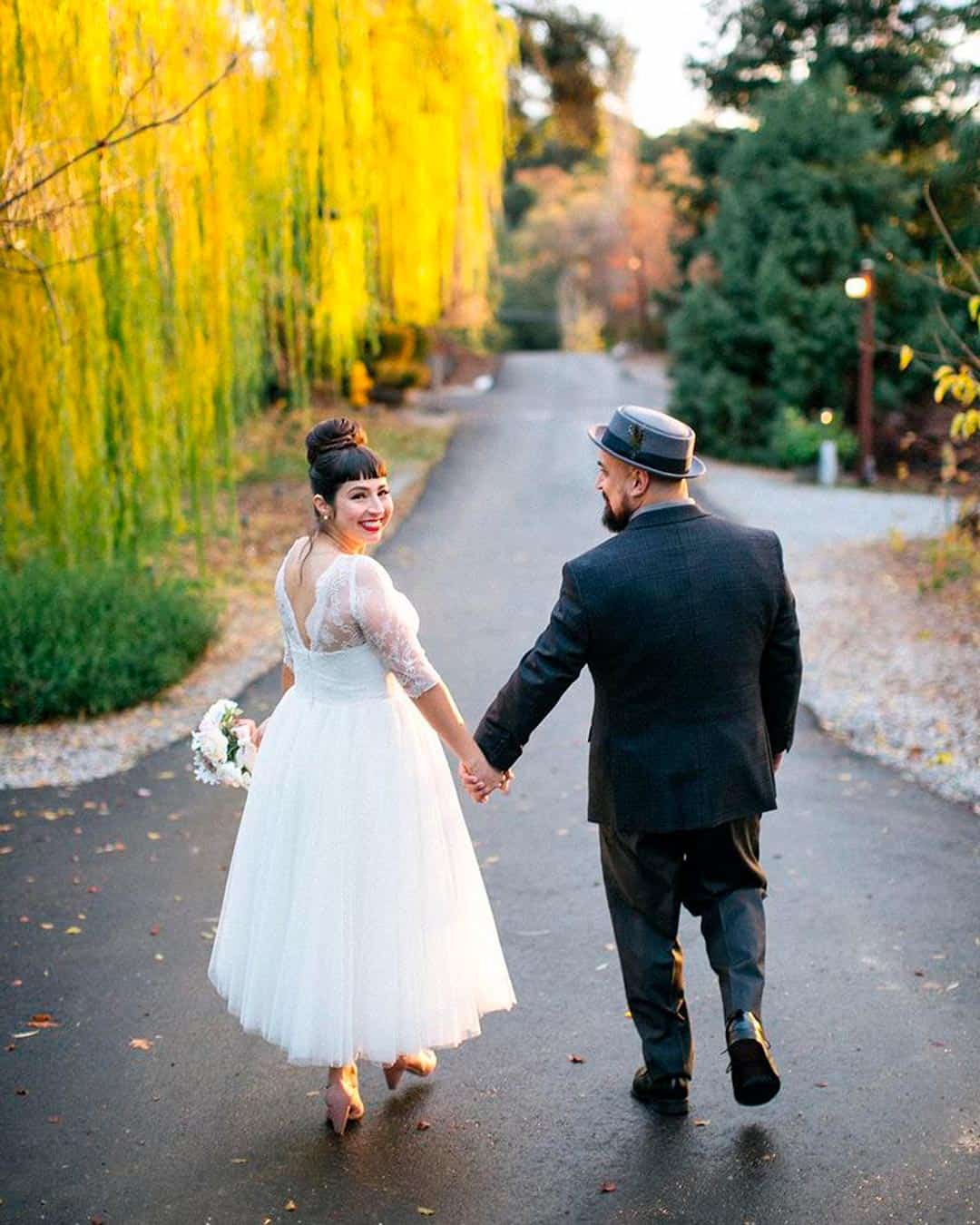
When you want something with a bit more personality and charm, pulling inspiration from the style and spirit of a previous decade can be incredibly fun. Selecting a specific historical era as the anchor for your wedding theme pours instant color and flair into what could otherwise feel like a stiff, conventional occasion.
Whether you land on the glamour of the 1920s, the spirit of the 1940s, or even the Victorian age, every detail falls into step with that period’s aesthetic. The bridal party’s hair and makeup, the attire, the venue styling, the decorations, and possibly even the guests follow the visual language of that time.
Antique inspired décor pieces set the tone, and if you’re lucky, you can make your getaway in a classic vintage car.
The reception shifts into a period appropriate cocktail gathering or a formal seated dinner. Even the music across the entire day needs to echo your chosen era to truly immerse everyone in the experience.
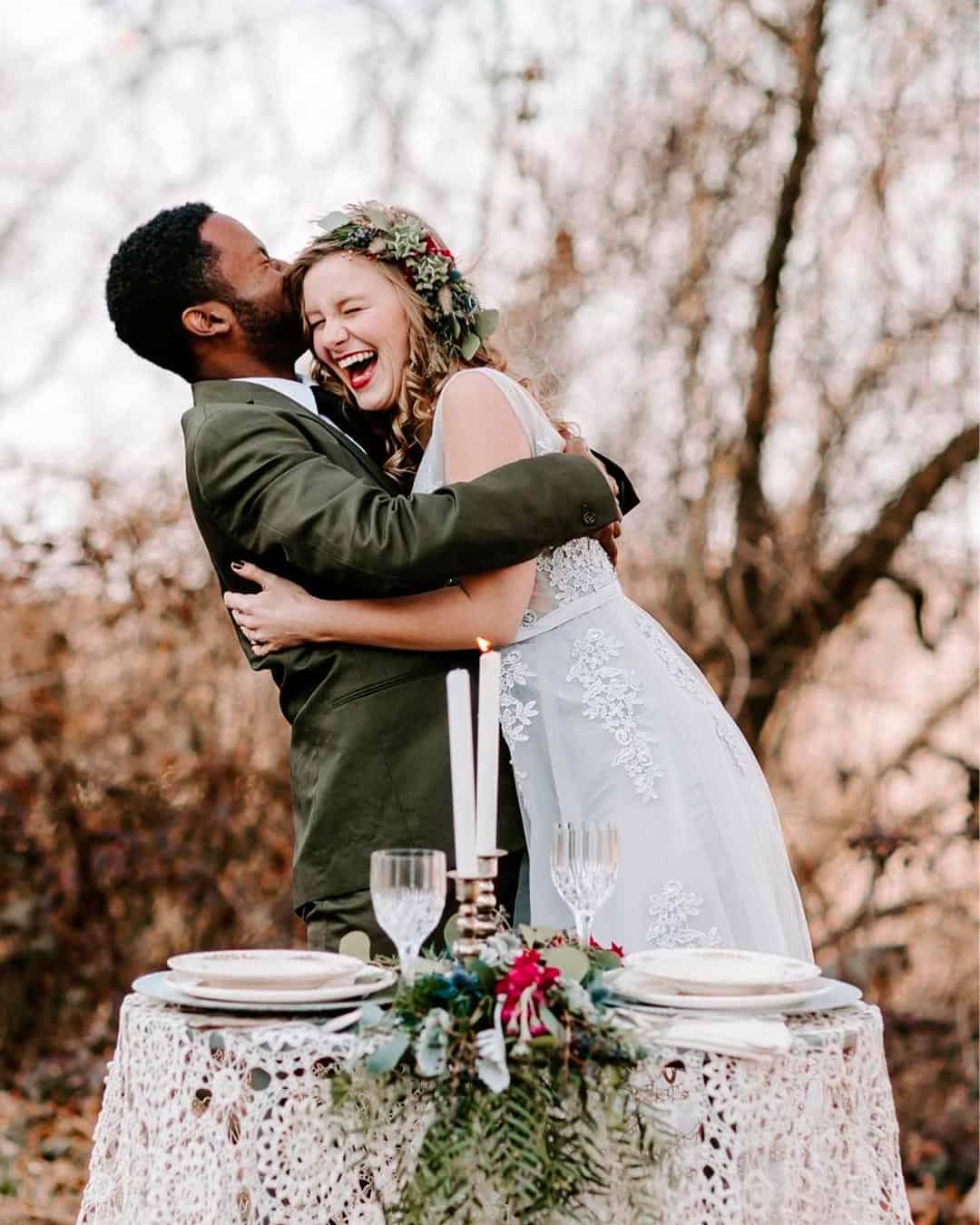
The word elopement nearly always conjures images of two people running off to exchange vows in secret, without the knowledge of family or friends. In today’s world though, not every elopement unfolds in complete secrecy.
These days, eloping often simply means a couple bypasses the big formal wedding and focuses solely on the ceremony. That decision might involve letting family and friends know and inviting them along, or keeping it entirely between the two of you.
Many pairs choose this path because it costs significantly less and they would much rather sidestep all the complicated fanfare that bringing two families together can stir up. A classic wedding carries a hefty price tag, and some couples just don’t see the logic in that kind of expense when saving for their future feels far more meaningful.
Others decide to elope because key family members don’t support the relationship.
Though some jump to the conclusion that an elopement signals a pregnancy, the truth is this form of union usually blooms between two people who firmly believe the decisions about their partnership belong to them, and them alone.
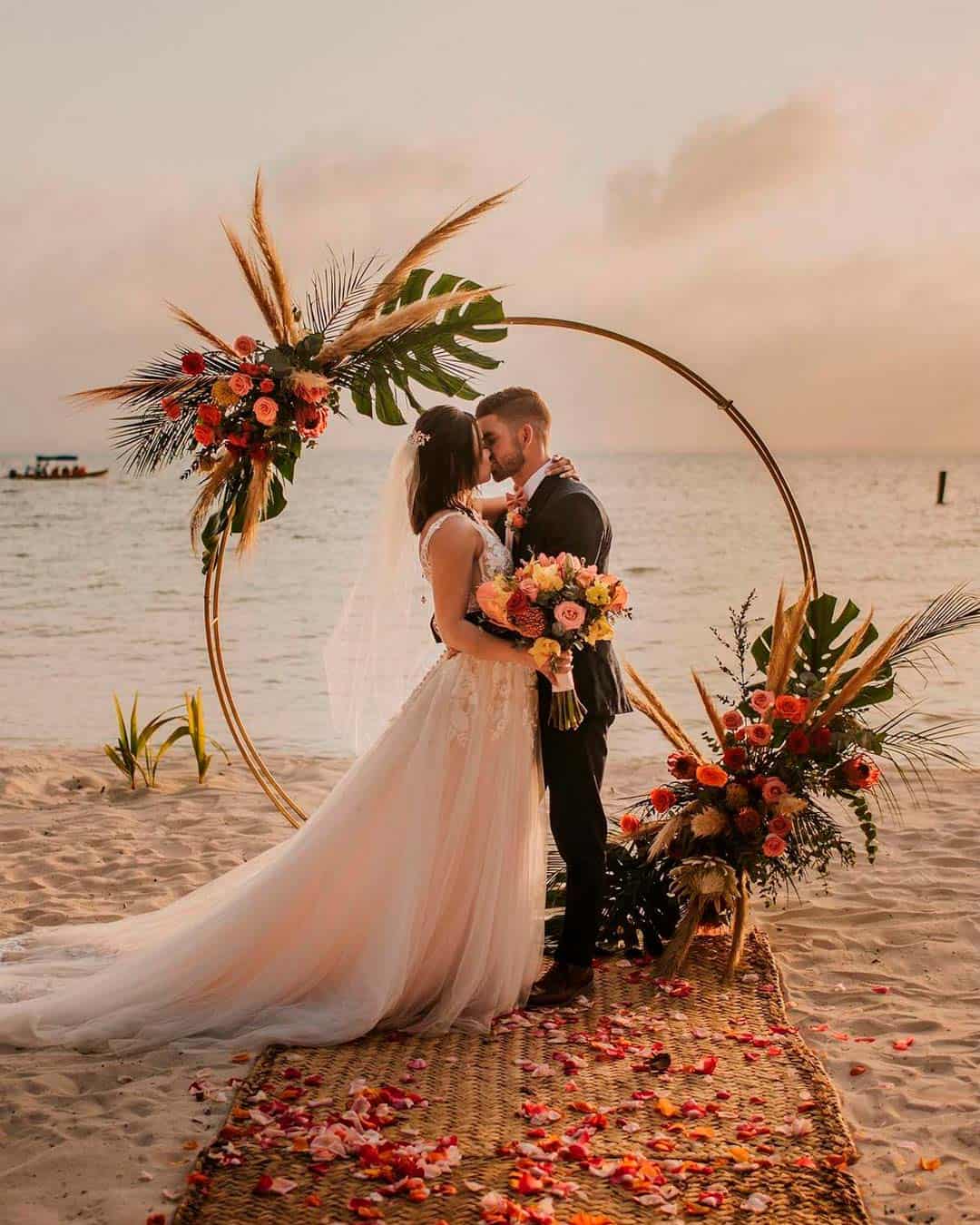
The soft sand, gentle weather, and sweeping views naturally coax everyone into a relaxed and easygoing mood.
Beach weddings typically mean the couple and their guests dress in shoreline appropriate attire, so the affair rarely reads as formal. Some pairs even ditch shoes entirely, and for the bride, a heavy cathedral length gown is simply not a fit for the setting.
Lightweight, flowy fabrics not only photograph beautifully but also keep you comfortable during a beach ceremony.
Most of these weddings place the vow exchange right by the water’s edge while the reception unfolds steps away on the sand or at a nearby oceanfront hotel. Beach and outdoor weddings share a lot of DNA, so details that work for an open air garden event often translate effortlessly to a seaside celebration.
Just like a destination wedding, beach gatherings tend to be warmly intimate, drawing together the closest circle of friends and family to witness and cheer on your union.
While your reception deserves careful attention, remember that the ceremony itself is the absolute heart of the entire day. As you sort through the different types of weddings to figure out what you want your experience to feel like, let your ceremony act as your compass.
Keep in mind there are varying expectations for wedding attire depending on which style you select, and the level of formality shifts too. A religious or civil wedding is far from the only option available to you.
The overarching theme also shapes the type of reception that follows. So here’s hoping this list gently nudges you toward clarity as you plan your one of a kind day.